

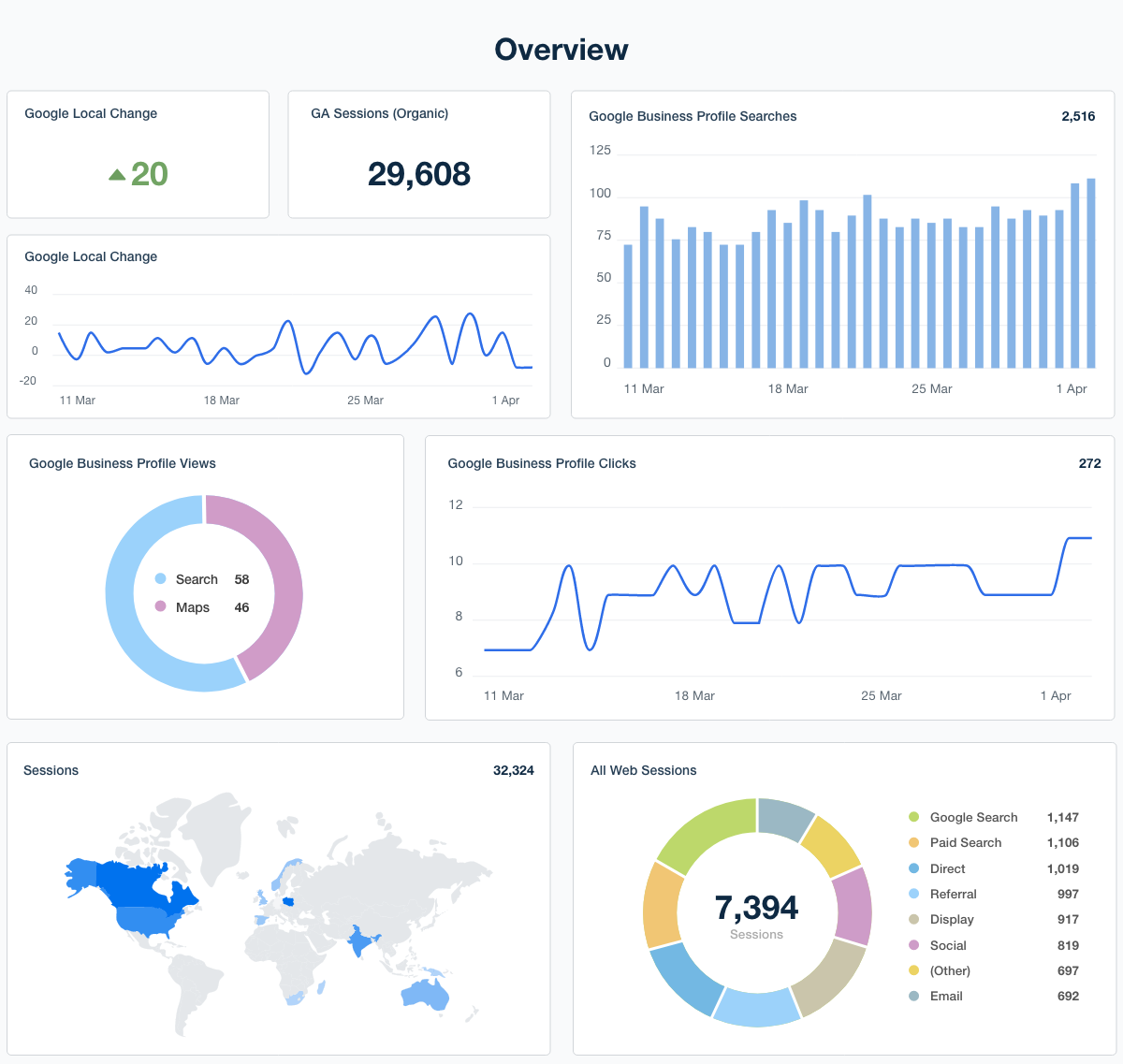
Do you know why 80% of local searches turn into real leads—and how your business can capture a greater share?
We’ll show why focused search strategies drive dependable, compounding lead flow for U.S. property management companies. Data matters: 80% of these searches become conversions, and 91.5% of users stop at page one.
In this guide, we align expectations with hard numbers and define what true results look like: higher map-pack visibility, more calls and forms, and better-qualified owners without overpaying for ads.
We outline a clear system—Google Business Profile, on-page optimization, location pages, reviews, content, technical fixes, citations, and backlinks—measured with KPIs that tie directly to ROI.
We partner with owners to build strategy, implement tactics, and report progress so they can focus on units, tenants, and daily operations while growth compounds over time.
Key Takeaways
- Targeted search work converts: ~80% of local queries lead to action.
- Most users never leave page one—visibility there is mission-critical.
- This guide targets scalable lead flow, not vanity traffic.
- We cover a full, measurable system tied to ROI and operational goals.
- Success looks like better map visibility, more qualified leads, and less ad spend.
What Local SEO Means for a Property Management Company in the United States
When people add a city name or “near me” to a search, intent shifts from general research to immediate action. We define how geography changes ranking signals and how that drives phone calls and direction requests.
Local vs. standard optimization for property management services
Standard work focuses on broad pages and backlinks. Geo-targeted work relies more on business listings, citations, and reviews that show up in map packs.
How Google ranks map and place results
Relevance: how well your listing matches the query.
Distance: proximity to the searcher’s location.
Prominence: measured by mentions, reviews, and trust signals you can influence.
“Getting listed in map results increased our inbound calls by 45% in three months.”— A client in Texas
- Keep service areas, NAP, and category choices consistent across sites and listings.
- Prioritize verified business listings, citation accuracy, and steady review generation.
| Signal | What to control | Expected outcome |
|---|---|---|
| Listing accuracy | Consistent NAP and hours | Less ranking volatility |
| Reviews | Volume and recency | Higher trust and clicks |
| Category & services | Precise selections and descriptions | Better query matches |
Why Local Search Visibility Drives Owner and Tenant Leads
Visibility on page one and in the map pack turns casual searches into immediate phone calls and lease inquiries.
First-page placement matters. About 91.5% of users never go past page one. That means high placement directly increases calls and contact forms. Mobile behavior compounds this effect.
How first-page ranking affects conversions
Data shows roughly 80% of local searches become conversions. Queries like “open now near me” rose ~400%, signaling urgent intent. We prioritize pages that match readiness cues so owners and tenant prospects act fast.
How searches map to real actions
- Phone calls and scheduled tours from map-pack clicks.
- Contact form submissions and consult requests.
- Directions taps that become in-person visits and signed leases.
“Improved visibility doubled our monthly calls and sped lease conversions in 90 days.”— A client in Florida
| Intent Signal | Likely Action | Value |
|---|---|---|
| “near me” or “open now” | Call or directions | High urgency |
| “rent in [city]” | Listing views and tour requests | Tenant leads |
| “hire manager [city]” | Consult request or quote | Owner leads |
Set Goals, KPIs, and Conversion Tracking Before You Optimize
Before any on-page edits, we define clear targets tied to calls, consults, and quote submissions. Setting measurable goals turns tactics into a repeatable growth system instead of guesswork.
Owner-intent conversions to track:
- Phone calls routed to a tracked number tied to pages and listings.
- Consult or strategy requests with conversion tagging.
- Quote and “schedule a call” form completions with goal values.
Key KPIs to watch
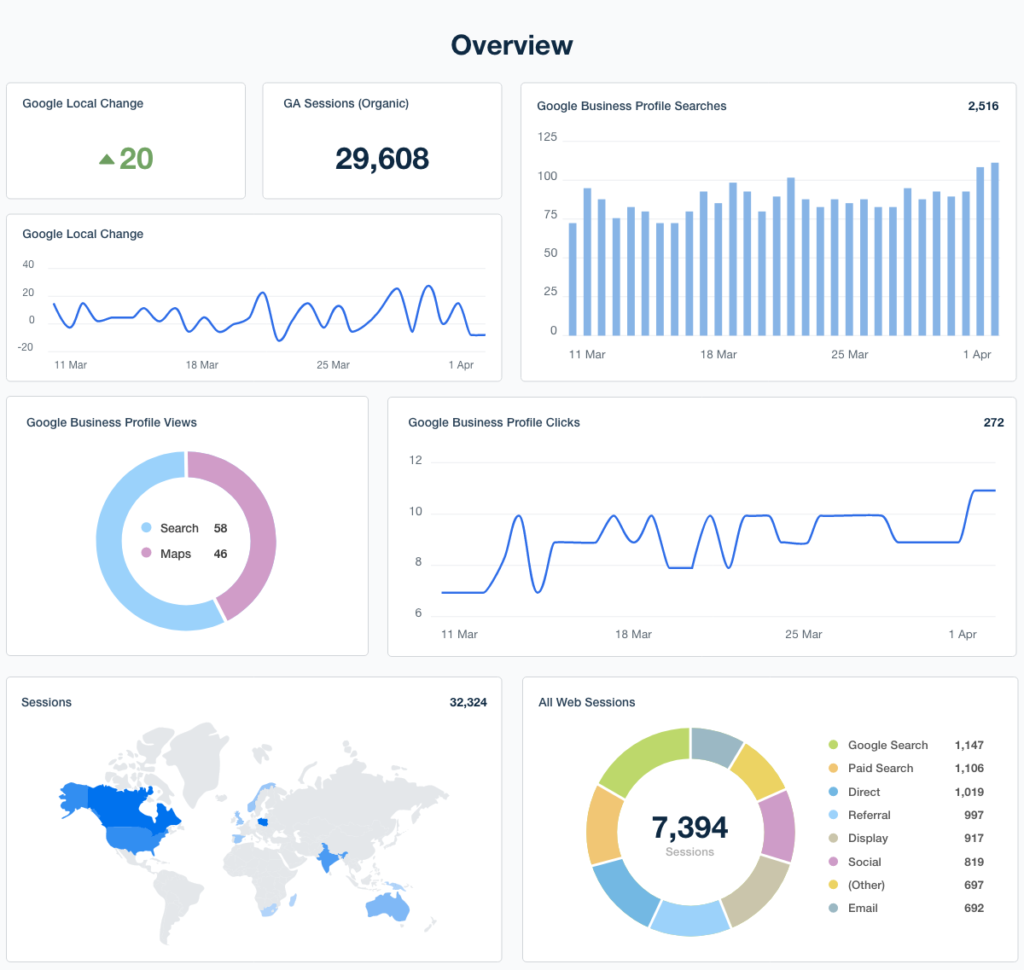
We monitor map pack visibility, rankings by city or ZIP, and Google Business Profile actions like calls, website clicks, and directions. Expect measurable movement after a consistent 3–4 month run.
| Metric | What to track | Why it matters |
|---|---|---|
| Map pack visibility | Rankings and impressions by location | Drives immediate clicks and directions |
| GBP actions | Calls, website clicks, direction requests | Direct owner-intent conversions |
| Call attribution | Track phone numbers by page/listing | Attribute revenue to source |
| Engagement | Form submissions and page CTAs | Qualifies leads and informs follow-up |
Measurement cadence: weekly checks and monthly reports keep momentum visible during the ramp. We avoid relying on one keyword or one page; the aim is a diversified, trackable pipeline that produces repeatable results.
Google Business Profile Optimization for Property Management Companies
A complete, active Google Business Profile signals trust and dramatically increases owner-intent actions. We focus on fast, defendable wins that boost calls and directions without adding ad spend.
Claim and verify without delays
Claim your listing and choose the right verification method. If you use mail verification, do not change name, address, or primary category mid-process. Edits during verification often trigger re-mailing and long delays.
Categories and service areas that match searches
Pick a primary category that aligns with your company, then add relevant secondary categories. Define service areas by city, neighborhood, and ZIP so the profile matches how owners search and how Google evaluates proximity.
Complete every field and keep it current
Ensure NAP consistency, hours (including holidays), services, attributes, and a concise business description that builds trust without keyword stuffing. Add a tracked phone number on key pages to measure calls tied to the profile.
Photos, virtual tours, and monthly refreshes
Use real office exteriors, team shots, and managed-site images. Add virtual tours when possible. Post new photos and a Google Post each month to show an active presence and encourage clicks.
Why this work drives measurable results
Optimizing a google business profile often produces dramatic lifts: studies show calls can rise ~520% and direction requests over 2,700%. That level of impact helps property managers justify time and budget on profile improvements.
Local Keyword Research That Matches How Property Owners Search
A well-structured keyword plan maps real owner questions to the right pages. We focus on intent: service terms, geographic modifiers, and owner-specific phrases that signal decision readiness.
Service keywords vs. geographic keywords vs. owner-intent keywords
Service keywords explain what you do. Geographic keywords add a city, neighborhood, or ZIP. Owner-intent keywords show readiness to hire or compare. Each group needs its own page role.
High-intent examples and expansion
Examples that convert: “property management in [City]” and “[City] property manager”. Expand by neighborhood and ZIP to capture nearby owners and reduce wasted traffic.
Preventing keyword cannibalization
Cannibalization shows as falling ranks and split traffic. We prevent it with clear page-to-keyword mapping, unique titles, and a tidy site structure.
- Map one primary keyword to each page.
- Use secondary, supportive phrases in headers and content.
- Audit quarterly to catch overlaps and fix redirects or consolidations.
| Page Type | Primary Focus | Expected Outcome |
|---|---|---|
| Service page | Service + intent | Qualified owner leads |
| Location page | Service + city/zip | Map visibility and calls |
| FAQ/guide | Owner questions | Trust and longer visits |
On-Page SEO That Helps Each Page Rank in Local Search
Well-crafted page elements guide decision-makers and signal relevance to search engines. We target clarity first, then structure pages so both users and crawlers understand intent.
Where to place keywords
Place primary keywords in the title tag and H1. Use supportive keywords in H2s, body copy, and image alt text. Add descriptive anchor text on internal links to point visitors toward conversion pages.
Write for clarity and trust signals
Owners want proof, not jargon. Include credentials, clear service steps, and compliance notes. Show real outcomes and simple next steps to boost conversions.
- Title + H1 alignment: match intent and promise value.
- Headers: break content into scannable blocks.
- Alt text & links: describe images and link paths clearly.
“Straightforward pages increased our consult requests within six weeks.”
When one page follows this template, we replicate it across service and location pages to scale authority and measurable growth.
Area-Specific Location Pages That Win Neighborhood Searches
A well-structured location page answers the straightforward owner question: Do you manage here, and what’s the market like now?
What to include: market insights, rental trends, and neighborhood details
Each page should show current rental trends, vacancy rates, and typical tenant profiles. Short charts or bullets make facts easy to scan.
Highlight nearby amenities, typical building types, and owner concerns like turnover or maintenance costs. This builds trust and relevance.
Embed maps and keep contact details consistent across pages
Embed a map and add the same NAP and phone number the business uses elsewhere. Consistency reduces confusion and reinforces a unified footprint.
Scaling pages for multi-city or multi-office management
Use a template that swaps only the market data and neighborhood copy. Avoid thin, duplicated content by adding unique insights on each page.
- Why neighborhood pages win: they capture intent and provide real answers owners seek.
- Must-haves on each page: market snapshot, rental trends, amenities, common unit types, and owner next steps.
- Site structure: link city pages to neighborhood pages and to core service pages to share authority.
“Neighborhood pages helped us rank for targeted searches and doubled consult requests in three months.”— Client testimonial
| Page Element | Purpose | Best Practice |
|---|---|---|
| Market snapshot | Show demand and pricing | Use current numbers and a 90-day trend |
| Embedded map | Improve usability and relevance | Use interactive map with office marker |
| Contact/NAP | Build trust and attribution | Match listing info exactly |
| Unique neighborhood copy | Prevent duplicate pages | Include local insight or recent case study |
Service Pages That Convert Property Owners for Property Management Services
A service page should guide an owner from question to consult in three simple moves: explain, prove, convert.
We design each page to present a clear offer, a transparent process, and direct calls that match owner intent. Start with an immediate benefit statement, then show step-by-step onboarding so visitors know what happens next.
Elements Google expects: process, proof, transparency, and conversion paths
Explain: outline your management workflow in 3–5 short steps. Use headers and numbered lists so both users and crawlers find structure.
Prove: add review snippets, vetted case outcomes, and team credentials. Real metrics and short client quotes reduce friction.
Build trust fast: credentials, compliance, and “what happens next” CTAs
Display licensing, fair housing awareness, screening standards, and maintenance protocols. These signals show legitimacy and lower perceived risk.
Offer clear CTAs: call now, request a consult, or get a quote. Add a short “what happens next” microcopy under each CTA to set expectations and boost conversions.
“Clear process pages doubled our consult requests in six weeks.”
| Page Element | Purpose | Best Practice | Expected Result |
|---|---|---|---|
| Service summary | Immediate relevance | Benefit-led sentence + primary CTA | Lower bounce, higher clicks |
| Step-by-step process | Reduce hesitation | 3–5 numbered steps with timings | More consults and quoted leads |
| Proof block | Build trust | Reviews, case outcomes, team bios | Higher conversion rate |
| Compliance & FAQs | Reduce objections | Short answers and links to docs | Faster decision-making |
We focus on owners, not vague claims. Owner-focused messaging and honest proof lift conversion rates and send clearer user signals. Better engagement drives stronger results and helps the page earn more visibility over time.
local seo for property managers Content Strategy That Builds Authority Over Time
A strategic content program turns service pages into authority hubs that attract leads. We focus on consistent, helpful content that compounds value instead of chasing one-off posts.
Content clusters that support core services
One core service page sits at the center of a topical cluster. Multiple educational articles link back to it and expand on subtopics. This creates a clear site map and strengthens topical authority.
Blog topics owners care about
Write short guides on fees, vacancy reduction, risk mitigation, tenant placement, lease basics, and state rules. These pieces answer real owner questions and build trust.
Local content ideas
Produce neighborhood investment guides, quarterly market reports, regulatory updates, and community resources. These items earn citations and high-quality backlinks.
Production options and timelines
In-house work gives control; freelancers speed output; agencies scale strategy. Expect 3–4 months of steady publishing to see traction. A good freelancer delivers 1,000+ word posts with images, internal links, and external sources.
- Focus: consistency beats one-off sprints.
- Measure: track referral links, page queries, and consults from the website.
- Scale: clusters create durable relevance and attract organic links over time.
Technical SEO Essentials for Fast, Mobile-Friendly Property Management Websites
Fast, mobile-ready websites cut friction and turn visitors into measurable leads. About 60% of Google searches happen on phones, so we prioritize mobile-first design that keeps users engaged.
Speed and UX: reduce bounce, increase leads
A 2-second load delay can raise bounce by ~32%. Compress images, enable caching, and use streamlined templates to shave seconds off load time.
Keep CTAs visible on every page and simplify navigation so owners can call or request a consult in one tap.
Indexing, sitemaps, HTTPS, and clean structure
Use HTTPS, submit an XML sitemap, and maintain crawl hygiene via robots and Search Console. Clean URLs and logical navigation help Google index pages and users find answers fast.
Schema that helps
Implement LocalBusiness and Organization markup for credibility. Use Article schema on blog posts and FAQ schema on common-page sections to boost rich results.
- Prioritize reliable performance, not perfect scores.
- Measure load times and conversion paths to tie technical fixes to leads.
- Technical work reduces friction, improves engagement, and helps search engines understand your business and service areas.
| Focus | Action | Benefit |
|---|---|---|
| Mobile | Responsive templates | Higher conversions |
| Speed | Compression & caching | Lower bounce |
| Indexing | XML sitemap + HTTPS | Better crawlability |
| Schema | LocalBusiness, Article, FAQ | Enhanced SERP display |
Build Local Authority With Citations, Directories, Partnerships, and Backlinks
Building credibility online requires a mix of accurate listings, community ties, and high-quality links from relevant sites. We define authority as consistent presence plus trusted endorsements that search engines and owners trust.
Directory listings that matter
Claim industry directories and trust sources—BBB, Chamber of Commerce, state associations, and real estate ecosystem sites. These citations add immediate credibility and reduce ranking volatility.
Partnerships that earn referrals and links
Form referral ties with agents, maintenance vendors, insurers, investor groups, and community sponsors. Partnership pages and sponsorship mentions create real links and steady referrals.
Backlinks done safely
We prioritize relevance over volume. Avoid PBNs and spam networks; they risk penalties and long-term harm to your domain. High-quality backlinks from niche publications, association pages, and partner sites beat cheap bulk links every time.
When to invest and expected costs
Build content and on-page foundations first, then buy links once pages can convert. Typical per-link ranges run about $200–$500. Agency programs in competitive U.S. cities often cost ~$3,000/month for 5–6 quality links.
| Focus | Why it helps | Typical outcome |
|---|---|---|
| Industry directories | Trust signals | Stable citations |
| Partnership links | Referrals + relevance | Ongoing leads |
| Reputable backlinks | Authority & rankings | Higher organic visibility |
Reviews and Reputation Management That Boost Rankings and Trust
Fresh, consistent reviews turn visitors into callers. We build a repeatable review engine that asks owners, tenant clients, and vendors at moments that make sense. Data shows 76% will leave feedback when asked, and requested reviews average 4.34 stars versus 3.89 when unprompted.
How to generate more reviews from owners, tenants, and vendors
We convert requests into routines. Use short message templates, direct links, and QR codes after move-ins, renewals, or completed work. Tie accountability to staff roles so asks happen without fail.
Response standards: speed, tone, and handling negative feedback
Respond fast and professional. Fifty-three percent expect a reply within a week. Address specifics, offer next steps, and move sensitive issues offline to avoid escalation.
Why volume and freshness influence conversions and visibility
Recent reviews matter. Forty percent of people ignore feedback older than two weeks. High volume and fresh stars increase trust and map visibility, while negative patterns push 94% of prospects away.
Showcase reviews on-site
Feature a testimonials page, rotating widgets, and highlight sections on service and location pages. This reinforces trust where decisions happen.
| Action | Why it helps | Expected result |
|---|---|---|
| Timed review request | Higher response rate (76%) | More recent 4+ star reviews |
| Fast, public replies | Signals care and professionalism | Better conversion and fewer escalations |
| On-site showcases | Trust proof at point of contact | Higher consult and call rates |
“Requested reviews averaged higher ratings and helped our consult volume within eight weeks.”
Measure Results, Timelines, and Budget for Sustainable Growth
Set clear timelines and reporting standards so your team can judge progress and stay the course. We expect meaningful movement after 3–4 months of consistent work and audits. Short tests show small lifts sooner, but durable results compound with steady effort.
Tools to use
Use a compact tool stack to measure queries, engagement, and rank shifts.
- Google Search Console — queries, impressions, and index issues.
- Google Analytics — sessions, goal completions, and behavior.
- Rank tracking — city and ZIP-level visibility by page and keyword.
Monthly reporting that ties work to ROI
Report what leadership cares about: calls, form fills, consult requests, rankings by service area, and Google Business actions (calls, website clicks, directions).
“Monthly reports that show cost per lead and close rates make budgeting simple.”
Cost ranges and scope
| Tier | Monthly range | Scope |
|---|---|---|
| Starter | $500–$600 | Basic audits, listings, and on-page work |
| Competitive | $2,000–$3,000 | Full tracking, content, link work, and monthly reporting |
We connect reporting to ROI by calculating cost per lead and lead-to-client close rate across channels. For help executing and measuring, call (425) 954-3452 or email info@kihanmarketing.com.
Conclusion
A steady, tracked approach turns search visibility into a measurable lead pipeline that grows month over month. Start by fixing tracking and your Google Business Profile, then build foundational service and location pages. Add owner-focused content, technical fixes, reviews, and credible backlinks so your presence compounds over time.
Why act now: this work compounds; pausing lets competitors close the gap. Proven results look like more qualified owner calls, more consult requests, stronger map visibility, and a clear pipeline tied to ROI.
Start with a 30–60 day plan: GBP + tracking + core pages, then expand content and authority building. If you want expert execution in the United States, call (425) 954-3452 or email info@kihanmarketing.com. We’ll partner to build sustained, measurable growth—one intentional step at a way.
FAQ
What does local search mean for a property management company in the United States?
Local search means showing up where owners and tenants look first: the map pack, business profiles, and city-specific pages. It’s about relevance (services offered), distance (service area), and prominence (reviews, backlinks, and on-site authority). When those elements align, a management company converts searches into calls, inquiries, and leases.
How does Google rank local results for management companies?
Google uses three main factors: relevance (how well your services match the query), distance (proximity to the searcher or listed service area), and prominence (review volume, website authority, backlinks, and GBP activity). Optimizing your business profile, pages, and citations improves all three and lifts visibility in map and organic results.
Why do first-page rankings matter for owners and tenant leads?
Most decision-makers don’t scroll past page one. Being visible on page one and in the map pack drives significantly more calls, form fills, and consultation requests. Higher placement also boosts trust, so you capture higher-intent owner leads and quality tenant inquiries.
What owner-intent conversions should we track before optimizing?
Track phone calls, consultation requests, quote or RFP form submissions, leasing inquiries, and booked appointments. Tie these to tracking numbers and goal events in Google Analytics and Google Business Profile to measure true ROI from search and GBP actions.
How do we claim and verify a Google Business Profile without delays?
Claim via the Google Business Profile dashboard, request verification by postcard, phone, or email (if available), and complete verification promptly. Avoid common delays by ensuring NAP consistency, selecting the correct categories, and verifying your domain on your website first.
Which categories and service areas should a management company choose in its profile?
Choose precise categories like “Property Management Company” and relevant secondary options such as “Rental Agency.” Define service areas at the city, neighborhood, and ZIP level to match where owners search. Accurate categories and areas improve relevance and map-pack placement.
What profile fields are critical to complete for consistent NAP and hours?
Fill in business name, address (or service area), phone, website, hours, services, attributes, and a clear description. Consistent NAP across your website, directories, and GBP reduces confusion for Google and for owners searching for management services.
How do photos and virtual tours affect engagement and calls?
High-quality photos of offices, team members, and managed properties increase clicks and call-through rates. Virtual tours and property galleries show professionalism and transparency, which leads to more direction requests and tenant interest.
How often should we publish Google Posts and refresh the profile?
Post monthly at minimum; weekly is ideal for competitive markets. Regular updates signal an active management company, encourage GBP actions, and can improve short-term engagement metrics that support visibility.
How do we choose keywords that match how owners search in our city?
Map search intent to terms: service keywords (management, leasing), owner-intent keywords (hire, quotes, cost), and location modifiers (city, neighborhood, ZIP). Prioritize high-intent phrases like “[City] property manager” and “hire property management [City]” and prevent cannibalization by assigning unique targets to each page.
Where should we place keywords on on-page content without stuffing?
Use keywords naturally in page titles, H1s, meta descriptions, early body text, internal links, and image alt text. Write for clarity and trust—explain processes, fees, and next steps—rather than forcing repetition. That balance improves rankings and conversions.
What should we include on area-specific location pages to win neighborhood searches?
Include local market insights, rental trends, neighborhood amenities, testimonials from nearby owners, contact information, and an embedded map. Localized data and consistent contact details build relevance and support multi-office scaling.
How do service pages convert owners effectively?
Service pages should outline your process, fees, proof points (case studies, reviews), compliance credentials, and a clear CTA like “Request a quote.” Transparent steps for “what happens next” reduce friction and increase lead rates.
What content strategy builds authority for a management company over time?
Use content clusters around core services—leasing, maintenance, tenant screening, owner reporting—and local topics like ordinances and market reports. Regular blog posts, guides, and neighborhood pages strengthen topical relevance and earn organic links.
Should we produce content in-house or hire an agency?
It depends on capacity and goals. In-house teams provide control and speed; agencies bring scale, keyword expertise, and consistent output. Many companies combine both—internal subject-matter input with agency production for efficiency and authority building.
What technical elements affect mobile-first ranking and lead volume?
Mobile responsiveness, fast load times, clean site structure, HTTPS, proper indexing, and an up-to-date sitemap matter most. Technical improvements lower bounce rates and increase the number of qualified leads from searches on phones.
Which schema types should a management site implement?
Use LocalBusiness or PropertyManagement schema for the company, Organization schema for corporate details, Article schema for blog posts, and FAQ schema for on-page Q&A. Proper markup helps search engines understand and surface your content.
How do citations, directories, and partnerships build local authority?
Consistent listings in industry directories, chamber pages, and local business sites create trust signals. Partnerships with real estate brokers and vendors earn referral traffic and contextual links, which raise prominence and ranking potential.
What is a safe backlink strategy for a management company?
Focus on relevance over volume: earn links from local news, industry publications, vendor partners, and community organizations. Avoid spam networks. Reputable links typically come from relationships, PR, and resource content that others cite.
How can we generate more Google reviews from owners, tenants, and vendors?
Ask at key moments—after onboarding, lease renewals, and maintenance resolution. Make the process easy with direct links, follow-up emails, and staff training on timing. A steady stream of fresh reviews improves conversions and GBP actions.
What are best practices for responding to negative feedback?
Respond quickly, acknowledge the issue, offer a clear next step, and move the conversation offline when possible. Maintain a professional tone and document resolutions. Timely, transparent responses build confidence for future owners.
How long before we see measurable results from these strategies?
Expect initial GBP improvements and traffic bumps in 4–8 weeks with active optimization. Significant ranking and lead growth usually take 3–6 months of consistent effort, depending on market competitiveness and budget.
Which tools should we use to measure performance and tie activity to ROI?
Use Google Business Profile insights, Google Search Console, Google Analytics, and rank-tracking tools. Combine these with call tracking and CRM data to attribute leads, owner conversions, and GBP actions to specific efforts.
What are typical cost ranges for starter versus competitive city campaigns?
Starter local campaigns with profile optimization and basic content run modestly; competitive big-city investments require ongoing content, link building, and paid campaigns. Costs vary widely, but investing in quality often accelerates lead volume and unit growth.