

A small business that wants more customers from Google usually faces one choice early: SEO vs PPC. This guide compares the two, shows when SEO wins and when PPC wins, and answers the questions owners ask most.
SEO builds traffic you own. It usually takes 4 to 8 months to build, then keeps working after the work is done. PPC buys leads today, but they stop when you stop paying. Most small businesses should run both: PPC for leads now, SEO for lower-cost leads later. Let your real cost per lead guide the split.
TL;DR
SEO is better for long-term traffic that you own and that grows over time. PPC is better for fast leads you can control, but you rent them. For most small businesses the answer is both. Use PPC to bring in leads now while SEO builds momentum over 4 to 8 months. The right split depends on your budget, your timeline and how competitive your market is.

SEO vs PPC: The Core Difference
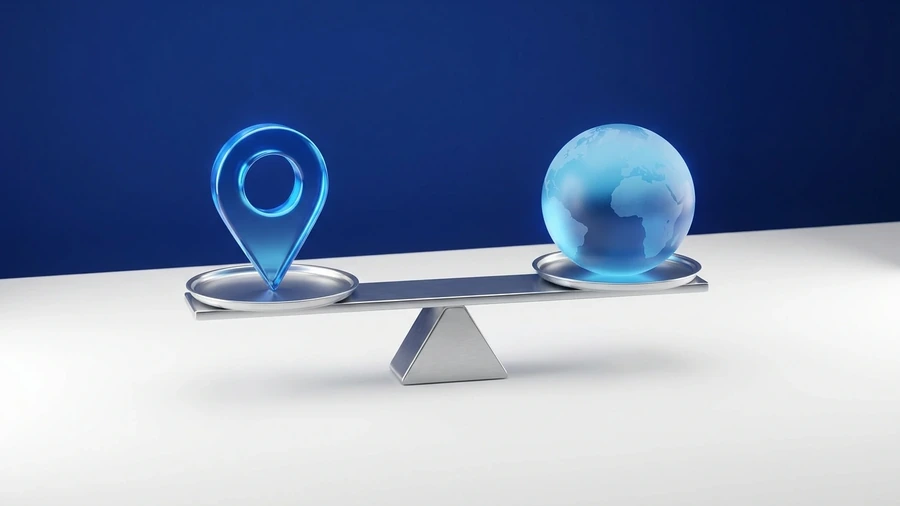
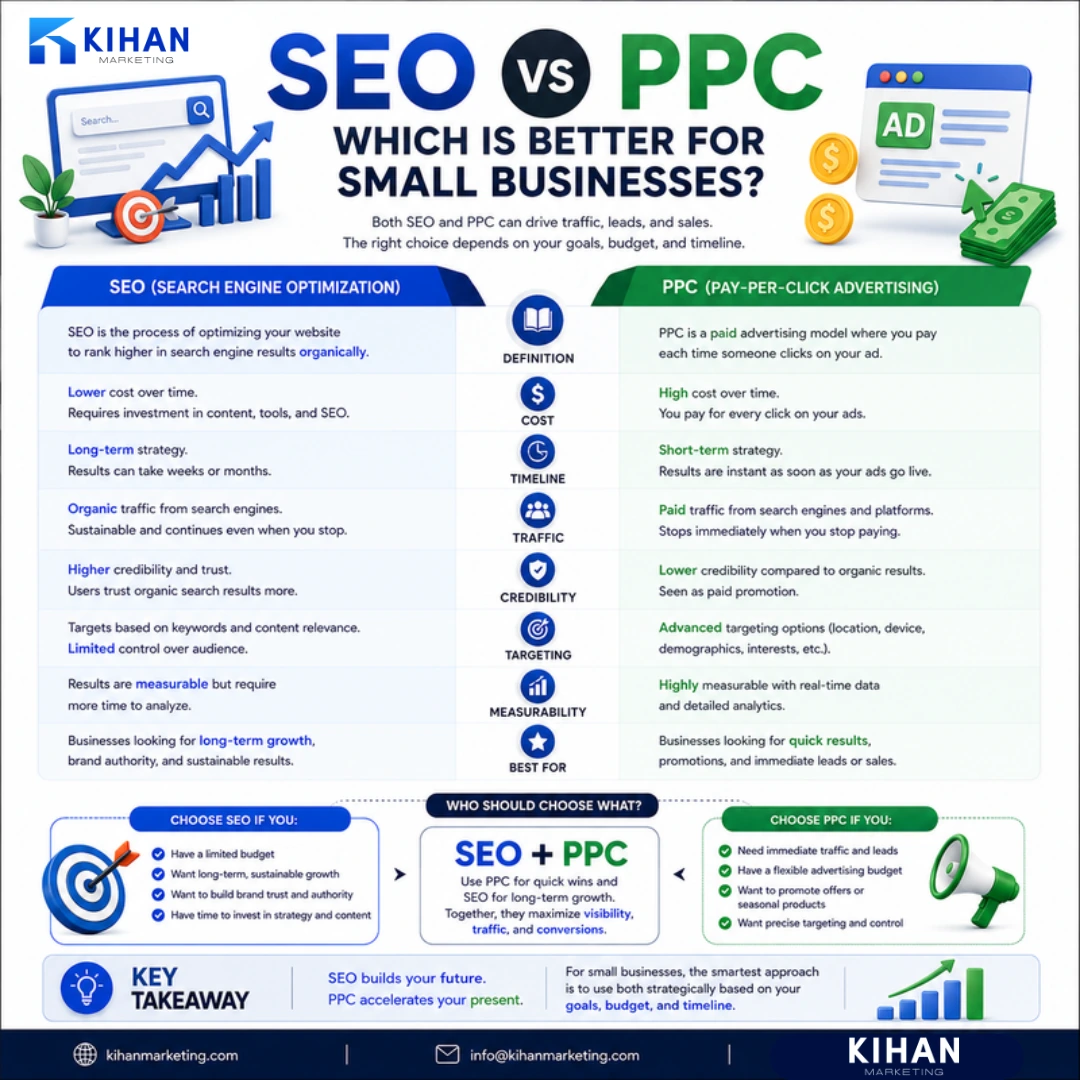
SEO (search engine optimization) earns free, organic rankings. Organic means the unpaid search results, not the ads. Those rankings keep working after the work is done. PPC (pay-per-click) buys ads at the top of the results, and the ads vanish when the budget stops. One is an asset you own. The other is traffic you rent.
Factor | SEO | PPC |
Speed | 4 to 8 months | Instant |
Cost over time | Compounds down | Ongoing per click |
Traffic when you stop | Keeps coming | Stops |
Best for | Long-term growth | Immediate leads |
When SEO Wins
SEO wins when you want lasting, lower-cost traffic and can wait a few months for it to build. Organic results also carry more trust. For many searches, people click them more than ads. And every page that ranks becomes a lead source you no longer pay for. For a small business playing the long game, SEO delivers the best cost per lead over time.
When PPC Wins
PPC wins when you need leads right away, want to test offers and keywords fast, or are launching something new. You control the budget, the targeting and the message, and you can turn it on today. The trade-off is that the traffic stops the moment you stop paying. In expensive niches, per-click costs also add up quickly. PPC is an accelerator, not a foundation.
Why Most Small Businesses Need Both
The smart play is not choosing one. It is getting the order right. Run PPC to bring in leads and learn what works now. Meanwhile, SEO grows into lower-cost traffic over the next several months. As your organic rankings climb, you can lean less on paid. Let your real cost per lead, channel by channel, guide the split.
Run a roofing company? See the niche breakdown: Google Ads vs SEO for roofers.
Related reading
SEO and AI SearchSEO services covering local, technical, schema and AI search work.FAQ: SEO vs PPC
Is SEO or PPC better for small business?
SEO is better for long-term traffic you own. PPC is better for instant leads. Most small businesses benefit from running both.
Is SEO cheaper than PPC?
Over time, usually yes. SEO’s cost per lead drops as it builds, while PPC charges for every click for as long as you run it.
How long does SEO take vs PPC?
PPC delivers traffic instantly. SEO typically takes 4 to 8 months to build meaningful rankings.
Should I do SEO and PPC at the same time?
Yes. Use PPC for immediate leads while SEO builds, then shift toward organic as your rankings grow.
How should a small business split its budget between SEO and PPC?
There is no fixed split. It depends on your budget, how soon you need leads and how competitive your market is. Costly clicks in your niche make SEO more attractive, while an urgent need for calls favors PPC. Track your real cost per lead by channel. A marketing audit is a sensible first step.
Is SEO or PPC better for lead generation?
Both bring leads, on different clocks. PPC brings them from the day it goes live. It also lets you test offers and keywords fast, so you learn which searches lead to calls. SEO takes months to build, but every page that ranks becomes a lead source you no longer pay for per click. Most small businesses need both.
Is local SEO or PPC better for a local business?
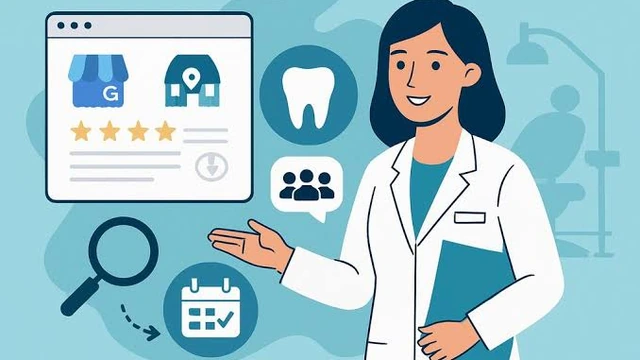
The same trade-off applies. Local SEO works on your Google Business Profile and map listing, and once you rank it brings calls with no fee per click. Local PPC puts an ad above those results today. Many local businesses run both at first, then lean more on the map listing as it climbs.