

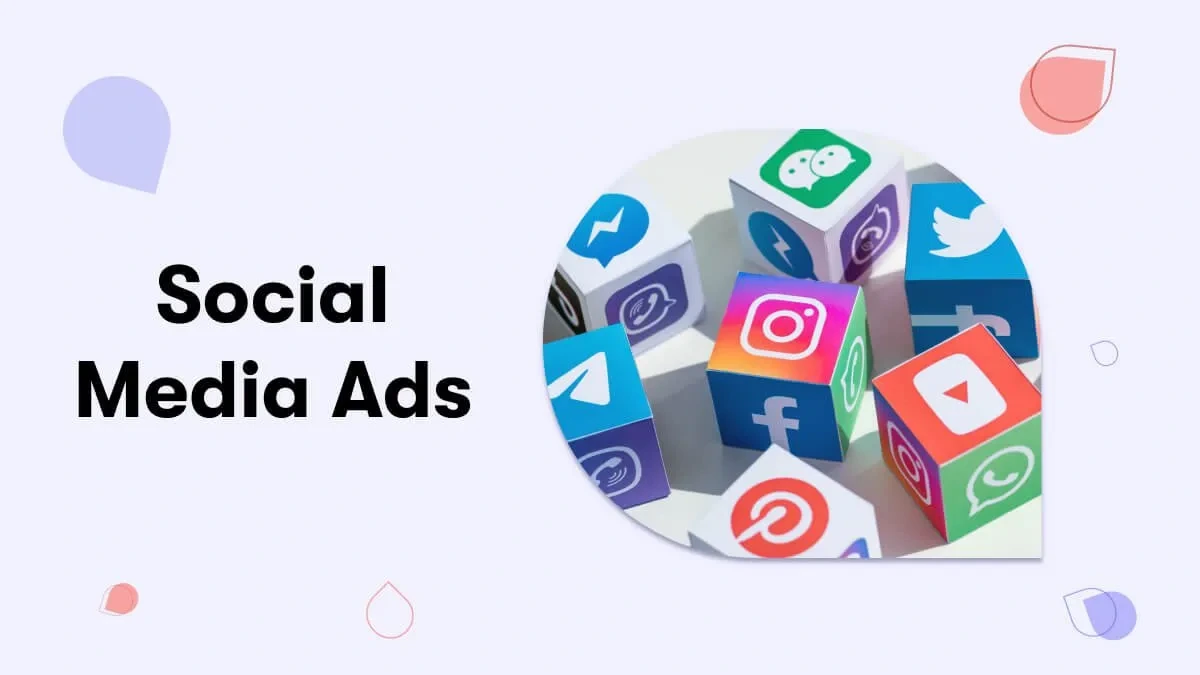
Social media ads are paid promotions on platforms like Facebook, Instagram, TikTok and LinkedIn. You choose who sees them by age, location, interests and habits. Costs vary a lot by platform and by industry. The owners who win treat ads as a system tied to leads and revenue. A one-off boosted post is not a system. This guide covers real costs, which platform to pick, ad formats, and how to build campaigns that book appointments, not just collect likes.
Pick the platform where your customers spend time. Set a goal in leads or bookings, not likes. Test a few ads on a small budget, cut the weak ones after a week, and track cost per lead. Retarget people who visited your site. Then scale the winners in small steps.
- Match your platform to where your customers spend time, not where your competitors post.
- Build a testing budget into every campaign. Kill weak ads in the first week instead of burning spend for a month.
- Judge success by cost per lead and cost per booked appointment, not likes and impressions.
- Retarget anyone who visited your site but did not convert. That audience usually converts at a lower cost than cold traffic.
- Scale winning ad sets in 20 to 30 percent budget steps. Doubling spend overnight resets the algorithm’s learning phase.
What Are Social Media Ads
Social media ads are paid content a business places on platforms like Facebook, Instagram, TikTok or LinkedIn. They reach people picked by age, interests, location and online habits. An organic post needs the algorithm to show it to your followers. An ad does not. You pay, and it goes in front of the people you chose.
How Paid Ads Differ From Organic Posts
Organic social media marketing relies on followers seeing your posts in their feed. That reach has shrunk over the years. Platforms now favor paid content. A well-run Facebook page might reach 2 to 6 percent of its followers organically on any one post.
Paid ads fix that. They put your message in front of people who do not follow you yet. That matters most for local businesses like dental practices and roofing companies. They need to reach new households in their service area, not just their existing fans.
- Targeting control. You choose who sees the ad by location, age, interests and past habits.
- Paid placement. Your budget sets your reach, not algorithm luck.
- Measurable results. Every dollar you spend ties back to clicks, calls or form fills.
Why Small Businesses Use Them
Property managers, med spas and law firms use social media ads to target a tight radius. A med spa, for example, can reach a 10-mile zone around its location instead of paying for broad reach. That precision is why paid social is now a core part of most lead generation plans for local service firms.
The other draw is speed. SEO takes months to build momentum. A social media ads campaign can start producing leads within days of launch. That makes it a useful partner to slower organic growth.
An ad that gets a thousand likes and zero phone calls is not working, no matter what the platform’s dashboard says.
How Much Do Social Media Ads Cost
Social media ad costs vary widely. You pay per click, or per thousand impressions, which means views. The exact number depends on the platform, the industry and how crowded the bidding is. A dental practice bidding on high-intent terms in a busy metro pays more per click. A home services firm running awareness ads in a smaller market pays less.
Cost Per Click and Cost Per Lead Benchmarks
Facebook and Instagram ads usually cost less per click than most other platforms. Legal and home improvement ads can push higher, since more firms bid on them. LinkedIn costs much more per click. It reaches professionals and B2B buyers, not the general public.
Cost per lead matters more than cost per click for most small businesses. A roofing company might pay a modest amount per click but turn only 1 in 20 clicks into a lead.
- Facebook and Instagram. Among the lower-cost platforms per click in most fields.
- TikTok. Also low cost per click, and often cheaper for video-driven engagement.
- LinkedIn. The highest cost per click of the group. Worth it for high-value B2B or legal leads.
- Google Local Services ads. You pay per lead. Common for HVAC, plumbing and electrical work.
What a 30-Second Video Ad Costs
Production cost for a 30-second video ad spans a huge range. One end is a testimonial shot on a phone. The other is a produced spot with actors and a crew. Many small businesses in home services and med spas now get strong results from the cheap end. Audiences respond better to real people on site than to polished commercials.
The media spend to run that video is separate. It follows the same per-click or per-view pricing as any other ad. A sound starting budget for testing a new video ad covers about two weeks of spend. That is enough to gather real data without betting too much.
Monthly Budget Guidance by Business Type
Most small businesses see real results from a modest monthly ad spend. That figure does not count management fees. A med spa with one location needs less than a property manager with sites in several markets.
Budget should scale with lead value. A personal injury law firm can justify a much higher cost per lead than a home services firm doing low-ticket calls. So set the budget from the lifetime value of a customer, not from an arbitrary share of revenue.
| Platform | Best For | Ad Formats |
|---|---|---|
| Local services, real estate, home services, broad targeting | Image, video, carousel, lead forms | |
| Med spas, dental, real estate, visually driven brands | Stories, Reels, carousel, shopping tags | |
| TikTok | Younger audiences, home services, brand awareness | Short-form video, Spark Ads |
| Law firms, B2B services, property management | Sponsored content, InMail, lead gen forms | |
| Google Local Services | Home services, roofing, HVAC, plumbing, electrical | Service ads, call-only ads |
Choosing the Right Platform for Your Business
The right ad platform depends on where your customers spend time and how visual your service is. It does not depend on which platform is trending. Facebook still gives the broadest reach and best targeting for local services. Instagram and TikTok work better for visual businesses like med spas and real estate.
Facebook and Instagram Advertising
Facebook remains the workhorse for local firms. It has detailed targeting and a large user base across age groups. Facebook ads management pairs well with Instagram ads. Both run through the same ad platform, so one campaign can run on both apps.
Real estate agents, roofers and home service firms tend to do well on Facebook. Its strength is local, interest-based and lookalike targeting. Instagram tends to win for med spas and for dentists who sell cosmetic work. It also wins for any business where before-and-after photos or lifestyle images drive interest.
- Facebook. Best for broad local targeting, lead form ads and retargeting people who visited your site.
- Instagram. Best for visual fields like med spas, dental and real estate listings.
- Combined campaigns. Run both from one ad account to extend reach without doubling the work.
TikTok and LinkedIn for Niche Audiences
TikTok has grown into a real lead source for firms that want younger homeowners and renters. That is true in home services, and in property management for multifamily and apartments. Short video that feels native to the app does far better than a reused TV ad.
LinkedIn is the clear choice for law firms, and for property managers who sell to other businesses. It costs more per click. But for professional services, the quality of its audience is hard to match anywhere else.
Matching Platform to Industry
A dental practice that wants cosmetic leads should start with Instagram and Facebook. Before-and-after photos convert well, and the audience skews toward adults in a set local area. A roofer chasing storm damage leads should lean on Facebook for its speed and local precision. It often adds Google Ads on top to catch the high-intent searches happening at the same time.
Property managers who market to renters should test TikTok and Instagram Reels to fill vacancies. That crowd is younger and very active on short video. Law firms should split the budget. LinkedIn works for B2B referral ties. Facebook works for consumer practice areas like personal injury or family law.
Social Media Ad Examples That Work
Social media ads that work combine a clear offer, a well-defined audience and an easy next step. That step is a phone call, a booked appointment or a form fill. Vague brand awareness ads rarely produce leads you can count for a small business. Clear offers with a deadline beat them again and again.
Local Service Business Examples
A roofer runs a limited-time free inspection offer next to a photo of storm damage. It tends to beat a bland “quality roofing services” ad, because it gives the viewer a clear reason to act now. HVAC and plumbing firms see the same effect with seasonal ads. A furnace tune-up special before winter, paired with a click-to-call button, is a typical one.
Real estate agents often run carousel ads with several listing photos, or a video walkthrough. They pair the ad with a lead form that asks for the viewer’s ideal neighborhood and budget. That captures buyer intent inside the ad. It beats sending traffic to a generic website that may not convert.
Local Service Business Ad Formats
- Lead form ads. Collect contact details without leaving the app. Ideal for home services and real estate.
- Video testimonials. Real client stories beat polished commercials in trust-heavy fields like dental and legal.
- Carousel ads. Show several homes, before-and-afters or service options in one ad.
- Retargeting ads. Bring back site visitors who did not convert the first time.
Med Spa and Dental Ad Approaches
Med spas get the strongest response from before-and-after photo or video ads. These work best paired with a clear promotion, like a discount on a first treatment for new clients. These ads work because they show a real result, not a service described in the abstract.
Dentists who run ads for cosmetic work like Invisalign or veneers see the same pattern. A clear price anchor, or a mention of financing, in the ad copy cuts friction before the click. Both fields gain from pairing ads with strong reputation management. Prospects often check reviews right after they click an ad.
How to Create a Social Media Ad Campaign
Creating a social media ad campaign takes five core steps. Define your goal, choose your audience, build the creative, set your budget, and track results against a set lead or revenue target. Skipping the goal is the most common reason small business campaigns fall short.
Step-by-Step Campaign Setup
Start by defining success in concrete terms, such as 20 booked consultations in 30 days. “More visibility” is not a goal. This one decision shapes every choice that follows. It sets the ad objective you pick in the platform and the type of creative you build.
Next, build the audience. Most platforms let you layer location, age, interests and habits. They can also build a lookalike audience, a group that resembles your current customers.
A property manager with units to fill might target renters aged 22 to 40 within a 15-mile radius. It could narrow that to people who have shown interest in apartment hunting. That is location, age and habits layered into one audience.
- Define the goal. Set a clear, countable outcome tied to leads or revenue, not views.
- Build the audience. Layer location, demographics, and interest or habit targeting.
- Create the ad. Match the format (video, image, carousel) to what works in your field.
- Set the budget. Start with a modest test budget before you scale a winner.
- Track and adjust. Review results weekly and cut weak ads fast.
Writing Ad Copy and Choosing Creative
Ad copy should lead with the outcome the customer wants, not a description of the business. “Same-day AC repair, no overtime fees” beats “Serving the Seattle area since 2005” as ad copy. The first answers the viewer’s real question: what is in it for me, and how fast can I get it.
Creative matters as much as copy. Real photos and video of your own techs, staff or properties beat stock images. That is most true in home services and property management, where trust is a bigger barrier than awareness. Social media content design that shows the brand’s real work earns more trust than generic templates.
Testing and Optimization
Run at least two to three versions of an ad at the start of any campaign. Test different headlines, images or offers against each other. Most platforms need a minimum number of conversions, often around 50 per week, to leave the learning phase and tune delivery well.
Review performance weekly rather than daily. Daily swings rarely reflect a real trend. After a full week of data, pause ads with a cost per lead well above your target. Move that budget to the ad sets that are converting.
Measuring What Actually Matters
The metrics that matter most are cost per lead, cost per booked appointment, and return on ad spend. Likes, shares and impressions are not on that list. A campaign can have great engagement and still fail to produce a single paying customer.
Vanity Metrics vs Revenue Metrics
Impressions and reach tell you how many people saw an ad. They say nothing about whether those people took action. A roofing ad can rack up 50,000 impressions and still produce zero phone calls if the offer or targeting is off.
The metrics worth tracking are cost per click, click-through rate, conversion rate, cost per lead, and in the end cost per customer. These numbers connect to revenue. Revenue is the only measure that tells an owner whether the campaign is working.
- Cost per lead. What you pay for each form fill, call or booking.
- Conversion rate. The share of clicks that turn into a lead.
- Return on ad spend. Revenue earned compared with money spent on ads.
- Lead quality. Whether leads match your ideal customer, not just how many there are.
Setting Up Proper Tracking
Accurate tracking needs a pixel or a conversion API on your website. A pixel is a small piece of tracking code. Add call tracking if phone calls are a main conversion path. Many home services and med spa businesses miss a large share of their real conversions because they track form fills and ignore phone leads.
Clean tracking also depends on website speed and a well-built landing page. A slow page can quietly kill conversion rates even when the ad is doing its job. Audit the ad and the landing page together. A drop in leads is not always an ad problem.
Google Ads and Paid SocialPaid social on Meta, TikTok and LinkedIn, judged on what a qualified lead costs.Frequently Asked Questions
What are social media ads?
Social media ads are paid promotions a business runs on platforms like Facebook, Instagram, TikTok or LinkedIn. They reach people picked by location, age, interests and online habits. You do not rely on organic reach alone.
What are some examples of social media ads?
Common examples include Facebook lead form ads for home services and Instagram before-and-after ads for med spas. Others are TikTok short video ads for property management vacancies, and LinkedIn sponsored posts for law firms and B2B services.
How much does a 30 second social media ad cost?
Production ranges from a clip you shoot on your phone to a full video with a crew, and the gap is large. Either way, production is separate from the media spend needed to run the ad. That spend follows normal per-click or per-view pricing.
How do I create a social media ad?
Define a clear goal, like a lead or booking target. Build an audience from location and interest data. Create copy and visuals that fit your field. Set a modest test budget, then track cost per lead each week and adjust.
How much do social media ads cost per month?
Most small businesses see real results from a modest monthly spend. The right number depends on what a customer is worth to you, and on how many markets or locations you serve.
Which social media platform is best for small business ads?
Facebook and Instagram work well for most local firms, thanks to broad reach and precise targeting. TikTok suits firms that want a younger crowd. LinkedIn is best for law firms and for property managers who sell to other businesses.
What is a good cost-per-lead for social media ads?
A good cost per lead varies by field and by what a customer is worth. Home services firms usually aim for a lower cost per lead. High-value services like legal or cosmetic dental can justify paying much more per lead.
Do social media ads work better than SEO?
They do different jobs. Ads bring leads fast once a campaign launches. SEO builds long-term organic visibility that keeps bringing leads with no ongoing ad spend. Most businesses do well running both together.
Does social media advertising work for small businesses?
Yes, when the campaign is built around a specific audience, a clear offer and a lead target. Local businesses use it to reach a tight radius and to get leads within days of launch. It fails when success is judged by likes, the offer is generic, or phone leads go untracked.
What are the disadvantages of social media advertising?
The main drawbacks are high costs in competitive fields, tracking gaps, and leads that stop when spend stops. Legal and home improvement push the cost per click up. Phone leads go uncounted unless call tracking is in place. And unlike SEO, ads stop producing once the budget is paused.
How does social media advertising work?
You pick who sees your ad by location, age, interests and behavior, and you set a budget. The platform then places the ad in those people’s feeds, and your spend sets how many it reaches. Over time it learns which people act on the ad. It needs a steady run of conversions to do that well.
Turning Social Media Ads Into a Predictable Lead Source
Social media ads work when they are built around a specific audience, a clear offer, and metrics tied to leads and revenue instead of likes. The businesses that get steady results treat every campaign as a test. They cut what does not convert quickly, and they scale what does in measured steps, not guesses.
If your campaigns get engagement but no calls or bookings, the fix is rarely more budget. It is better targeting, creative or tracking. A free audit shows where your ad spend is leaking and what it would take to cut your cost per lead.
Want to know where your site stands? Ask for a free marketing audit.