


Social media management is the ongoing work of planning, creating, posting and tracking content. That content runs on platforms like Instagram, Facebook, LinkedIn and TikTok. The aim is to get the brand seen and bring in leads. Done right, it is judged by leads and revenue, not likes or followers. The businesses that win treat it as a full-funnel channel, not a task on its own. It connects to their website, their reviews and their paid ads.
Social media pays off when it is run as a system tied to leads. Plan a monthly calendar and post where your customers are. Reply to comments and DMs. Track clicks, calls and form fills, not likes. Start with the 5-5-5 rule, then let the data reshape it. Add paid social once you know what works.
- Capture leads by tying each post to a clear action, not just brand awareness.
- Build a content system with a monthly calendar. Do not post only when you remember to.
- Stop judging success by likes and followers. Leads and revenue are the real scoreboard.
- Use the 5-5-5 rule to start. Then adjust to what your audience responds to.
- Scale results by pairing organic content with social media advertising once you know what lands.
What Social Media Management Actually Includes
Social media management is the full cycle of planning, creating, posting, engaging and reporting on social content. The goal is to grow the business, not just to post when there is time. For a small business, that means someone owns the plan and the content calendar. They also own the graphics or video, the replies and the monthly results review. All of it points at leads or sales.
The Core Components
Most people think the job is writing captions and hitting publish. In practice it is closer to running a small media operation for your business. Many parts have to work together.
Picture a law firm that posts client testimonials but never answers comments or DMs. It is doing half the job. The other half is community management and follow-up. That is often where leads convert.
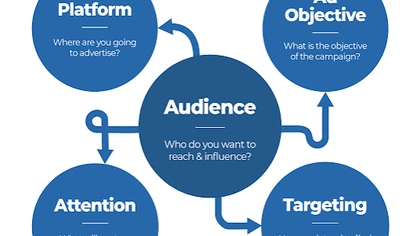
- Strategy. Decide who you want to reach, which platforms they use and what you want them to do.
- Content creation. Write captions, design graphics, and shoot or edit video. Some businesses hand this to a social media content design service.
- Publishing and scheduling. Use tools to post at the right times, so nobody has to hit publish by hand each day.
- Community management. Reply to comments, DMs and reviews, so people feel there is a real business behind the account.
Platforms Change the Playbook
A roofing company and a med spa need very different social plans, even though both buy the same service. Roofing content tends to do well on Facebook and Instagram. Photos of jobs before and after, storm damage tips and local trust signals carry it. Med spas and dental practices lean harder on Instagram and TikTok. There, visual results and short video drive bookings.
Property management and multifamily brands often do best on Facebook and Instagram. There they can aim at renters in one area. B2B services get more traction on LinkedIn. Think law firms, or home services with commercial clients. The platform mix should follow the audience, not the trend.
If your social media management can’t be traced to a lead or a dollar, it’s just digital wallpaper.
What Does a Social Media Manager Do Day to Day
A social media manager plans content and makes or lines up graphics and video. They queue posts, watch engagement and report on what drives results. The rhythm is most often weekly and monthly. In a small business, that person or team also links marketing, sales and customer service on public channels.
A Typical Week
Most social media managers build content in batches, not day by day. A week might include drafting captions for the next two weeks and setting up a photo or video shoot. It also includes queuing posts on each platform and answering the past few days of comments and DMs.
Say you run a dental practice. Monday gets a patient transformation. Wednesday gets a short reel that explains a common procedure. Friday gets a team spotlight. Each day, someone checks the Google Business Profile and the social inboxes for new messages.
- Content batching. Write and design a week or two of posts in one sitting instead of scrambling daily.
- Engagement monitoring. Check comments, DMs and mentions on each platform at least once a day.
- Performance tracking. Review which posts drove clicks, calls or form fills, not just which got the most likes.
- Cross-channel coordination. Make sure social content lines up with current promotions, blog posts or paid campaigns.
Where It Connects to the Rest of Marketing
Social media rarely works well on its own. The strongest results come when it is tied to the website, the reviews and the ad campaigns. It should not run as a task on its own.
Take a real estate agent’s listing video. It should link to a landing page built with solid website speed optimization. That way the page loads fast on a phone. Most social traffic comes from phones. A warm comment thread is also a good cue for review follow-up. A happy client can become a public review.
| Option | Best For | Biggest Risk |
|---|---|---|
| DIY (owner or staff) | Very early-stage businesses testing messaging | Inconsistent posting, no strategy, burns owner’s time |
| Freelancer | Businesses needing basic content without a full strategy | Limited reporting, no backup if they disappear |
| Boutique agency | Small businesses that want strategy, content, and reporting tied to leads | Quality varies widely, check real case results |
| Enterprise/large agency | Multi-location brands with complex approval chains | Slow turnaround, less hands-on attention to a single location |
What Is the 5-5-5 Rule and Should You Follow It
The 5-5-5 rule is a content framework. Each week you post 5 photos, 5 videos and 5 written or carousel posts. That keeps your feed varied and stops you leaning on one format. It is a good way to start if you are not sure how to fill a calendar. It should not be treated as a rigid rule.
Why It Works as a Starting Point
New owners tend to post too little, maybe once a month. Or they post the same type of content until it stops working. The 5-5-5 rule forces you to mix formats. That helps you see what your audience responds to.
A property management company might find that video walkthroughs of open units outperform static photos two to one. Once that pattern shows up, the rule should bend to the data.
When to Break the Rule
How often you post, and in what format, should follow the results, not a template. Say short video keeps bringing a med spa more leads than any other format. Doubling down on video makes more sense than sticking to an even split.
The rule is a floor for consistency, not a ceiling on strategy. Most small businesses do better posting less often, with more intent, than posting daily with no clear purpose.
- Consistency first. Even 3-4 quality posts a week beats 7 rushed ones.
- Format flexibility. Let the engagement data set the photo, video and text ratio over time.
- Local relevance. Weave in city-specific content: local events, seasonal service needs or community involvement.
How Much Should You Pay for Social Media Management
Price generally scales with the number of platforms, the content volume and whether paid ads are included.
What Drives the Price
One platform, a few posts a week and no paid spend sits at the low end. Add more platforms, custom graphics, video editing, community management and monthly strategy calls, and the price climbs.
Firms that bundle in paid social, putting real ad spend behind the content, charge more. They often deliver a better return, though. Organic reach on most platforms has dropped a lot over the past several years. Paid support helps good content reach people beyond your followers.
- Platform count. Managing three platforms costs more than managing one.
- Content volume. More posts per week means more production time.
- Paid ad management. Running campaigns is a separate skill from organic content. It is often priced on its own.
- Reporting depth. Monthly strategy calls and revenue-tied reporting cost more than a basic analytics screenshot.
Red Flags in Pricing
Be wary of very cheap packages that promise daily posting across five platforms. That price point tends to mean templated content, no plan and nobody answering comments.
At the other end, a large agency with high rates is not always the better choice for a business with one location. A law firm with one office often gets more attention from a smaller, focused team. Turnaround is faster too. A big agency may be juggling dozens of large accounts.
Skills and Tools That Make Social Media Management Work
The work takes a mix of skills: writing, basic design or video editing, platform knowledge, and the ability to read the numbers and adjust. Social media management tools handle the scheduling and reporting. They do not replace the thinking behind what to post and why.
Core Skills
Good social media managers write the way people talk. They know what makes someone stop scrolling. They know the unwritten rules of each platform. A caption style that works on LinkedIn falls flat on TikTok. They can also read the results well enough to explain why a post worked or did not. Then they adjust the next one.
In dental or med spa work, the rules on before and after photos and patient privacy matter too. For law firms, part of the job is knowing which topics build authority. Lawyers have ad rules, and the content must not cross them.
- Writing. Clear captions that fit each platform and sound like a person, not a brochure.
- Visual sense. Enough design or video editing skill to make content look polished, even on a phone.
- Data literacy. Reading the engagement and conversion numbers to see what works.
- Industry awareness. Knowing the rules and tone your field expects.
Tools of the Trade
Scheduling tools let a manager batch content and publish to each platform from one dashboard. No more logging into each app. Analytics tools track which posts drove website clicks or form submissions. That matters far more than raw engagement counts.
Design tools speed up graphics for a business with no in-house designer. A brand that wants a polished, matching look can use a team that also handles social media content design. Then the visuals match the rest of the brand, from the website to print.
- Scheduling software. Batches and publishes content across platforms.
- Analytics dashboards. Track engagement, reach and, most of all, conversions.
- Design tools. Speed up on-brand graphic creation.
- Listening tools. Flag mentions and comments that need a fast reply.
Choosing Between DIY, Freelance, or an Agency
The right choice depends on your time and how complex your goals are. It also depends on whether social must tie into wider lead generation like paid ads and SEO. DIY works for a very new business. A freelancer suits simple content needs. An agency fits a firm that wants strategy, content and paid campaigns working together.
When DIY Makes Sense
Take a brand-new HVAC company with one truck and no marketing budget. It can run its own Facebook and Instagram for the first several months. It is a low-cost way to find your tone and audience before spending more.
The tradeoff is time. Most owners do not realize how many hours a week steady, quality content takes. It is also easy for social media to be the first thing dropped when the business gets busy. That is exactly when consistency matters most.
When to Bring in Outside Help
It is time for a freelancer or agency when the business has more than one location or a growing service list. The same goes when leaders have no time to post steadily. The signal is almost always the same: on-and-off posting, no clear plan, and no idea whether social brings in any business.
A social media management company that focuses on your industry tends to move faster. It already knows what content lands with your audience and the compliance quirks your field carries. That holds for property management, roofing, dental, real estate and similar fields. A full-service agency can also connect social content to your website. It can run paid social to boost the posts that already perform. It can fold the results into the same tracking used for SEO and paid search. Leads then get tracked in one place instead of five.
- Consistency gap. Posting stops the moment the owner gets busy.
- No strategy. Content goes out with no clear goal behind it.
- No reporting. There is no way to tell if social brings in leads or just noise.
- Growth stage. More than one location or service line makes DIY too much to keep up.
Frequently Asked Questions
What does social media management do?
It plans, creates, posts and watches content on platforms like Instagram, Facebook, LinkedIn and TikTok. The aim is brand awareness and leads. It also covers answering comments and DMs, and showing which content drives real business results.
What is the 5-5-5 rule on social media?
The 5-5-5 rule suggests posting 5 photos, 5 videos and 5 written or carousel posts a week. That keeps content varied. It is a useful way to start posting steadily. The mix should then shift toward what performs for your audience.
How much should I pay for a social media manager?
It depends on the scope: how many platforms you run and how many posts a week. It also depends on whether graphics, video, replies and paid ads are included, and how deep the reporting goes. A very cheap package tends to mean templated content with no real plan. See how Kihan Marketing scopes the work on its pricing page.
What skills do you need to be a social media manager?
Strong writing, basic design or video editing, platform knowledge and comfort with the numbers are the core skills. Industry knowledge matters too, such as the rules for dental or legal content.
How long does it take to see results from social media management?
Most businesses see engagement improve within the first month. Leads and revenue tend to take 60 to 90 days. In that time, content, audience and messaging get tuned on real results.
Should social media management include paid ads?
It does not have to. Pairing organic content with paid social almost always improves results, though. Organic reach on most platforms has fallen a lot over the past several years.
Can I do social media management myself as a small business owner?
Yes, especially early on. It takes several hours a week of steady effort. Once the business grows, many owners find that outsourcing frees up time. It also produces steadier, better-planned content.
What’s the difference between social media management and social media marketing?
Management is the day-to-day work: posting, queuing and answering comments. Marketing is the wider strategy layer. It covers paid campaigns, audience targeting and how social ties into overall lead generation goals.
What is the difference between a social media manager and a social media management platform?
A platform is software. It queues posts, publishes to each platform from one place, and tracks which posts drove clicks. A manager is the person who decides what to post and why. They make the content, answer comments and DMs, and read the numbers. Software speeds up the work. It does not replace the thinking.
How do you find a social media manager near you?
Start with a local search, then vet each option the same way. Ask for real case results and how they tie posts to leads. Look for experience in your industry, since rules and tone differ by field. Ask how they would weave in local events and seasonal needs. Then check what they track: clicks, calls and form fills, not likes.
What should a social media management package include?
It should name the platforms, the posts per week and who makes the graphics and video. It should say whether replies to comments and DMs are included. It should also say what gets tracked, ideally clicks, calls and form fills. Ask whether monthly strategy calls are part of it. Paid ad management is often priced on its own.
Turning Social Media Into a Lead Source, Not Just a Presence
Social media management for a small business works when it is a system tied to leads and revenue. It is not a box to tick to look active online. That means a real content calendar and steady posting on the right platforms for your field. It means tracking that counts clicks and form fills, not likes and followers.
Want to know where your site stands? Ask for a free marketing audit.