

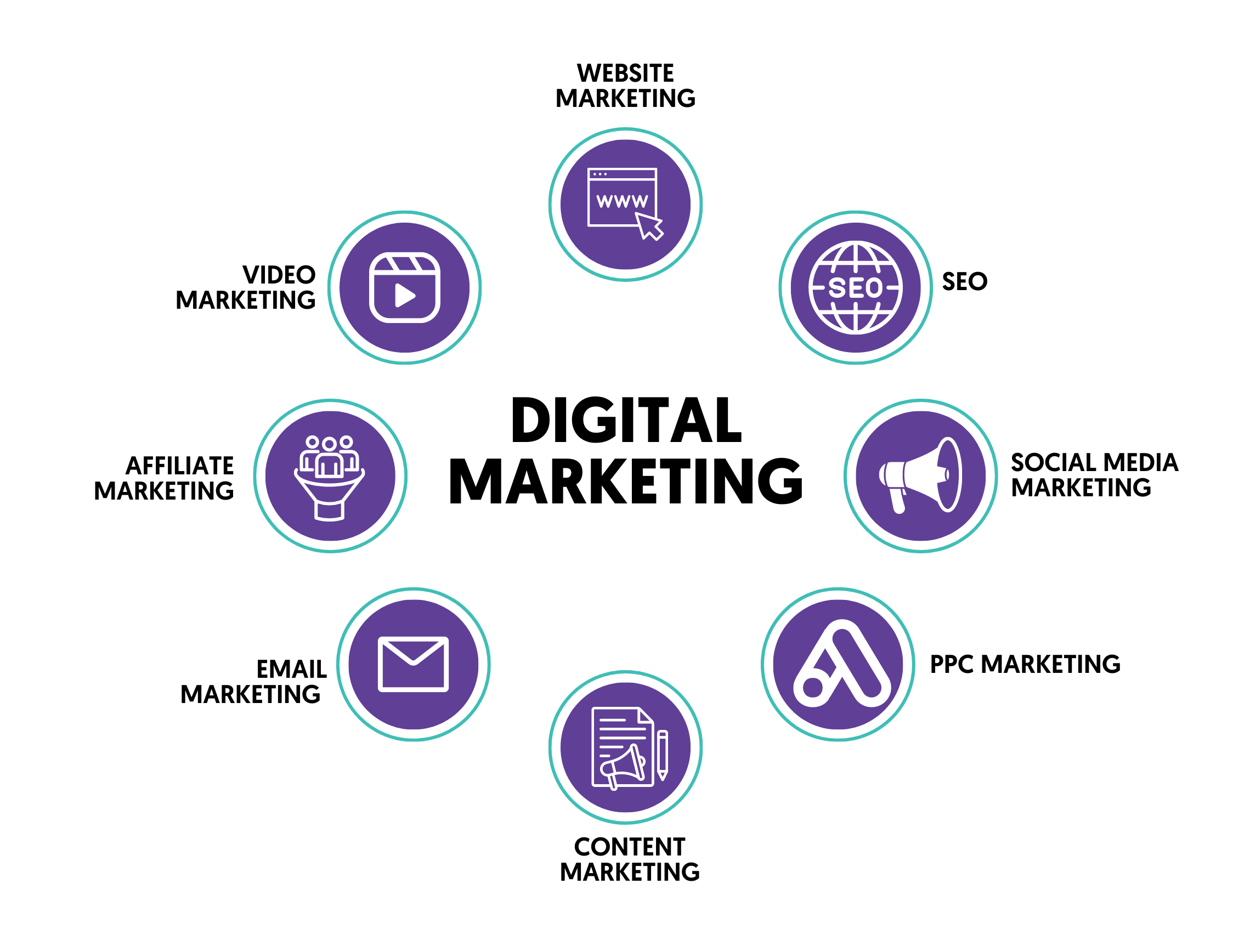
TL;DR: Digital marketing means promoting a business online, through search engines, websites, social media, email, and paid ads. The goal is leads and revenue. Digital marketing for small business works best as one system, not a set of separate efforts. SEO and content bring in organic traffic. Paid ads fill the gaps right away. A fast, well-built website turns visitors into customers. The winners treat it as an ongoing, measured program tied to leads and revenue, not a one-time project.
Small business digital marketing pays off when the channels work as one system. Use local SEO and content to earn search traffic that compounds. Use paid ads to fill the gap while rankings build. Send each visitor to a fast site with a clear next step. Judge the whole thing by cost per lead and revenue, not by clicks alone.
- Capture more leads by combining SEO, paid ads, and a fast website, instead of running each channel on its own.
- Get found locally with a well-kept Google Business Profile, since most local searches lead to action within a day.
- Stop judging campaigns by impressions or clicks alone. Track cost per lead and revenue instead.
- Run content marketing and social media together, so organic and paid efforts support each other.
- Put more spend on the channels that already bring booked jobs or appointments before adding new ones.
What Is Digital Marketing
Digital marketing is the use of online channels to attract, convert, and keep customers. Those channels are search engines, websites, social media, email, and paid ads. It replaced most traditional advertising because a business can reach the exact people searching for its service. It can also measure the result in leads, not just eyeballs. Take a roofing company or a dental practice. Someone searches for “roof repair near me” or “emergency dentist.” They can find the business, click, and book in minutes.
Why It Replaced Traditional Marketing
Billboards, print ads, and radio spots reach a broad audience. There is no way to know who responded. Digital marketing flips that. Every click, form fill, and phone call can be traced back to one ad, keyword, or post.
That tracking is why owners in crowded fields have moved budget away from print. Real estate and med spas are two examples. The spend now goes to search and social, where it can be proven to work.
- Measurable. Each dollar spent can be tied to a lead, call, or booked appointment.
- Targeted. Ads and content reach people who are searching now or fit a set profile, not a random crowd.
- Adjustable. Budgets can shift week to week based on what is working, unlike a print contract.
How AI Is Changing Digital Marketing
Search engines now show AI Overviews that answer questions right on the results page. Tools like ChatGPT and Perplexity are becoming a new place people find answers, alongside Google. So content has to answer real questions, not just rank for keywords.
Businesses that build their site content, service pages, and FAQs around real customer questions are more likely to get cited in these AI answers. That is becoming its own source of traffic from people ready to act.
Digital marketing only works when every channel is built to produce a lead, not just a click.
The Main Types of Digital Marketing
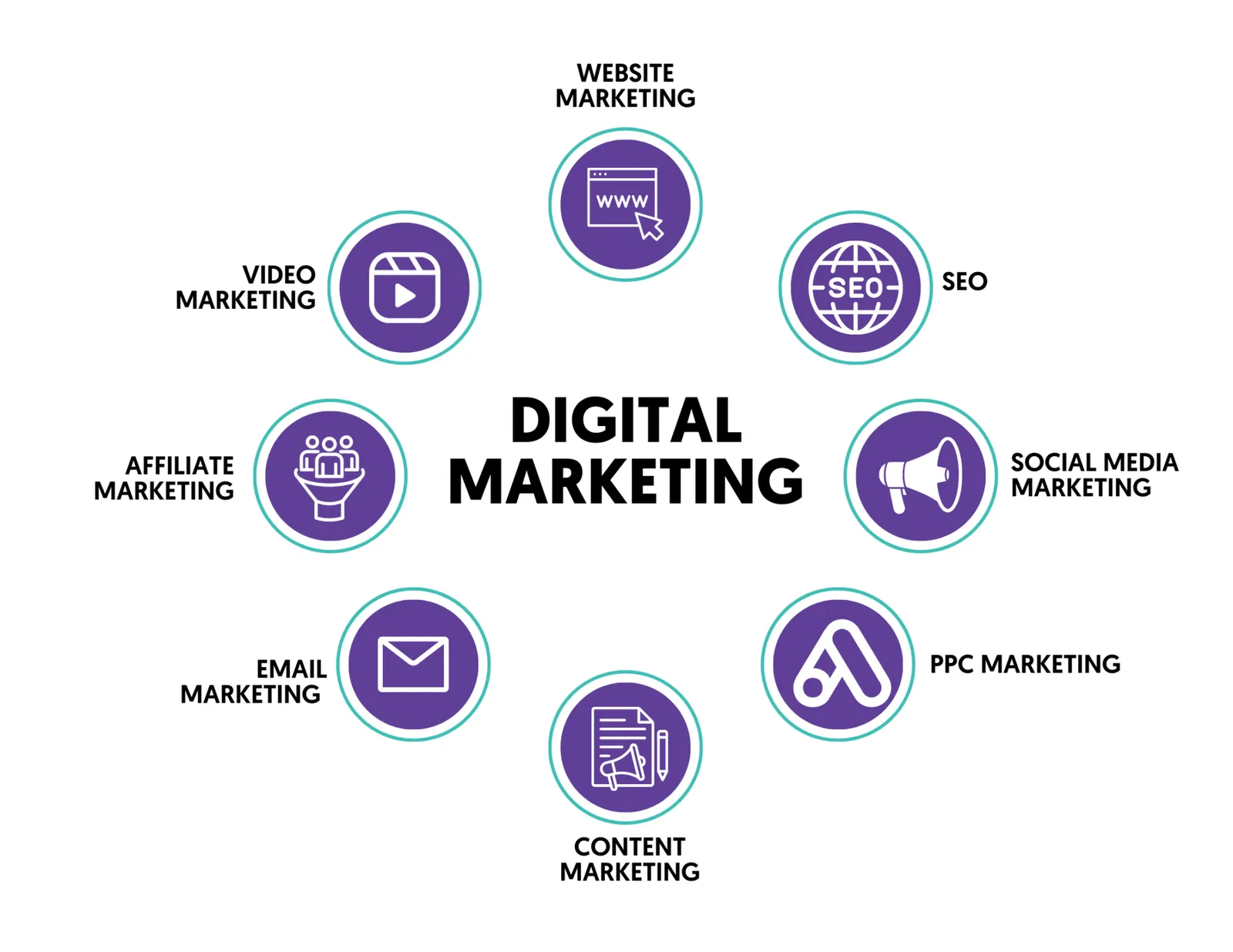
There are a handful of main types of digital marketing: search engine optimization (SEO), paid search and social ads, content marketing, social media marketing, email marketing, and website optimization. Most winning small business campaigns use at least three or four of these. Very few rely on one channel alone.
Search Engine Optimization (SEO)
SEO is the work of improving a website so it ranks higher in unpaid search results. The target is the terms customers really type. For local businesses like property managers, plumbers, or law firms, this most often starts with local SEO. That means tuning the website, the service pages, and the Google Business Profile. The goal is to show up in the map pack for searches like “apartment management company” or “personal injury lawyer near me.”
Beyond local SEO, a few more pieces matter. Technical SEO makes sure a site is fast and easy to crawl. Link building builds authority through other sites that link to yours. Schema markup helps search engines and AI tools understand exactly what a page is about. Voice search optimization is also growing. More people search by speaking to phones and smart speakers. That favors plain, question-based content written the way people talk.
- Local SEO. Improves visibility in the map pack and “near me” searches.
- Technical SEO. Fixes site speed, crawl problems, and structure issues.
- Link building. Earns citations from other credible sites to build authority.
- Schema markup. Adds structured data so search engines show rich results.
Paid Advertising (PPC and Social Ads)
Paid ads put a business in front of customers right away. The platforms include Google Ads, Facebook, Instagram, TikTok, and LinkedIn. Google Ads reach people who are searching for a service now. That tends to produce higher intent leads for things like HVAC repair or dental implants.
Facebook and Instagram ads work differently. They target people by interests, behavior, and location before those people start searching. That helps med spas, real estate listings, or new roofing promotions get noticed. TikTok and LinkedIn fill narrower niches. TikTok reaches younger consumers. LinkedIn reaches B2B buyers and professional services like law firms.
- Google Ads. Captures high-intent searchers ready to book or buy.
- Facebook and Instagram ads. Build awareness and retarget past website visitors.
- TikTok ads. Reach younger, local consumers with short video.
- LinkedIn ads. Reach other businesses and professionals.
Content Marketing and Email
Content marketing means creating blog posts, guides, videos, and resources that answer real customer questions. It builds trust before a sale happens. Say a home services company answers “how much does a new roof cost” in a clear guide. It earns trust and rankings at the same time.
Email stays one of the highest-return channels. It reaches people who already showed interest through a form fill, a past purchase, or a lead magnet. Paired with content, it keeps a business in front of prospects who are not ready to buy yet.
How Digital Marketing Works for Small Businesses
Digital marketing works for a small business in a simple way. It puts the right offer in front of the right person at the moment they are ready to act. A fast, clear website then turns that attention into a lead. The channels differ, but the mechanics are the same: attract, convert, follow up, and measure.
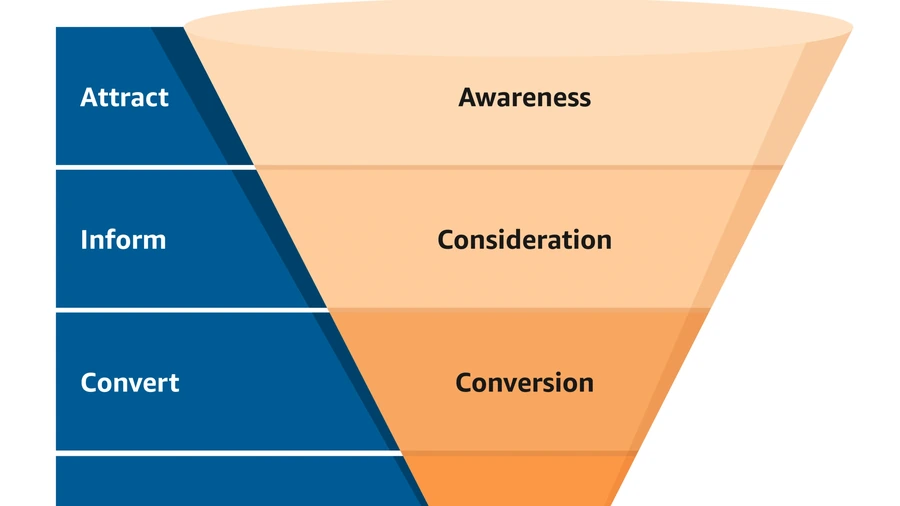
The Funnel: Attract, Convert, Retain
Traffic from SEO, ads, or social media only matters if the website turns it into a lead. This is where many small businesses lose ground. They spend on ads but send that traffic to a slow, outdated site. Visitors leave before they fill out a form.
Website speed work and a clean website redesign fix the leak at the bottom of the funnel.
A site that loads in under two seconds converts a noticeably higher share of visitors than one that takes five or six seconds. A clear call to action on every page matters too. Fixing that leak often produces a bigger jump in leads than adding more ad spend.
- Attract. SEO, ads, and social media bring visitors to the site.
- Convert. A fast, clear website turns visitors into form fills, calls, or bookings.
- Retain. Email and reputation management keep past customers coming back and referring others.
Local Visibility and Google Business Profile
For property managers, dentists, med spas, and home services firms, being found locally often drives more revenue than any other channel. A well-kept Google Business Profile directly affects whether a business shows up in the map pack. The map pack is usually the first thing a searcher sees, above the organic results.
Reviews matter here too. Reputation management means actively asking for reviews and answering them. It has a direct effect on map pack rankings. It also affects whether a searcher picks one business over a rival with fewer or lower-rated reviews.
- A complete, accurate profile with the right categories and service areas.
- Regular photo and post updates to keep the profile active.
- A steady stream of new reviews, ideally answered promptly.
- The same business name, address, and phone number across directories.
Social Media’s Role
Social media is seldom the main lead driver for service businesses. But it plays a supporting role that matters. Social media management and consistent content design make a brand familiar and trusted. So when someone finds a business through search or a referral, the social presence backs up that first impression.
For real estate and med spas especially, visual platforms like Instagram carry real weight. The service or result is visual by nature. A law firm or property manager will lean more on LinkedIn and steady posting. The goal there is authority, not viral reach.
Building a Digital Marketing Strategy
A digital marketing strategy for a small business should start with the business goal: leads or revenue. Then work backward to the channels and budget that can realistically hit it. Skipping this step is the most common reason marketing spend gets wasted.
Step 1: Define the Goal and the Lead Value
Before choosing channels, know what a lead is worth. That number should drive every budget decision that follows. Without it, there is no way to know whether a given cost per lead is a win or a loss.
Say a roofing company closes one in five leads on a large job, and a dental practice sells a routine cleaning. The roofer can justify a very different cost per lead than the dentist, because a lead is worth a different amount to each.
Step 2: Choose the Right Mix of Channels
Most small businesses do best starting with local SEO and a well-kept Google Business Profile. Those compound over time and keep working without a cost per click. Paid ads through Google Ads or Facebook fill the gap while SEO builds. Rankings can take a few months to show up.
Businesses selling physical products should also look at ecommerce website development and ecommerce SEO. Product pages, categories, and checkout flow all affect rankings and how many visitors buy. A typical service website does not need to worry about those.
- Service businesses. Local SEO, Google Ads, and Google Business Profile first.
- Ecommerce businesses. SEO for product and category pages plus paid social.
- B2B and professional services. LinkedIn, content marketing, and SEO for long-tail terms.
- New businesses. Paid ads for quick leads while SEO builds over the first few months.
Step 3: Build a Website That Converts
The platform might be WordPress, Shopify, Webflow, or Framer. Either way, the website is where each channel’s traffic ends up. A slow or confusing site weakens all the money spent getting people there.
Each service page should have a clear call to action and real photos of the work, not stock images. A form or phone number should be visible without scrolling. This is often the fastest fix for a business that spends on ads or SEO but does not see the lead volume it expects.
Digital Marketing Costs and Careers
Digital marketing costs vary widely by channel and industry. The mix of SEO, ads, and website work moves the number more than anything else. Careers in the field range from generalists to specialists in SEO, paid media, content, and design.
What a Digital Marketer Actually Does
A digital marketer plans, runs, and measures campaigns across SEO, paid ads, social media, and email. The goal is leads or sales. Day to day, that might mean checking a website’s technical SEO or writing ad copy for a Google Ads campaign. It might mean reading the numbers to find which pages convert best. Or it might mean adjusting a Facebook ad audience that stopped working.
At an agency, this work is usually split across specialists: an SEO strategist, a paid media manager, a designer, and a content writer. They work from the same data and goals, not in silos.
How Beginners Get Started
Most beginners start by learning one channel deeply, rather than trying to master it all at once. That channel is most often SEO, Google Ads, or social media. Free and low-cost certifications from Google and Meta cover the basics of paid ads. Running a small side project or freelance job is the fastest way to see how strategy connects to real results.
Many people move into digital marketing from sales, writing, or graphic design. The core skills carry over: reading an audience and speaking to it clearly.
- Pick one channel first: SEO, paid ads, or content, and go deep before branching out.
- Get hands-on with a real account. Even a small budget teaches more than theory.
- Learn to read analytics so decisions rest on data, not guesses.
- Study one industry. Strategy for a dental practice differs from ecommerce.
Salary and Making Money in Digital Marketing
Digital marketing salaries vary by specialty and experience. Entry-level roles start lower. Specialist roles like paid media or SEO strategy pay more as experience grows. People also make money on their own through freelancing, consulting, or running an agency. That works once they can point to real results for clients.
The fastest path to higher income is a specialty paired with proof. A portfolio of real campaigns and real numbers carries far more weight than a list of skills. A clear drop in cost per lead is the kind of proof that counts.
Common Mistakes That Waste Ad Spend
The most common digital marketing mistake small businesses make is judging success by vanity metrics. Impressions and clicks are not leads and revenue. Fixing that single habit changes almost every other decision that follows.
Chasing Vanity Metrics
Impressions and clicks feel good to report but do not pay the bills. A campaign can bring thousands of clicks and still produce zero booked jobs. That happens when the targeting or the landing page is off.
The better approach is to track cost per lead and, where possible, cost per customer. Then compare that against what a customer is really worth. This is the standard Kihan Marketing uses with clients: results are measured by leads and revenue, not impressions.
Running Channels in Isolation
A common pattern is a business running Facebook ads, SEO, and email as three separate efforts with no shared plan. That leads to mixed messages and wasted budget. Each channel starts from zero instead of helping the others.
The stronger model is a full-funnel approach. Content built for SEO also fuels social posts and email. Paid ads then retarget people who already found the site through search.
Ignoring the Website and Following Up Too Slowly
A slow website undoes the value of every lead you win. So does a contact form that takes days to get a reply. Website speed work alone can lift how many visitors convert, since people leave slow pages within seconds.
Slow follow-up is just as harmful. Leads that get no reply within minutes to a few hours are far less likely to convert than ones answered right away.
- Slow websites. Fix load times before adding more traffic to a leaky funnel.
- Delayed follow-up. Reply to new leads within minutes, not days.
- No tracking. Set up call tracking and form tracking before spending on ads.
- One-channel dependence. Use more than one channel, so one algorithm change does not sink the whole pipeline.
Frequently Asked Questions
What does a digital marketer do exactly?
A digital marketer plans, runs, and measures campaigns across SEO, paid ads, social media, and email. The goal is leads or sales. They then adjust the plan based on what the data shows is working.
How do beginners start digital marketing?
Beginners should pick one channel, commonly SEO, Google Ads, or social media, and learn it deeply. Free platform certifications cover the basics. Then get hands-on with a real account or a small project before adding other channels.
How do I make money from digital marketing?
People make money in digital marketing through salaried roles at firms or agencies, freelancing for clients, or running an agency. Income tends to grow with a specialty and a record of results you can measure.
What are the 4 types of digital marketing?
The four most often cited types are SEO, paid ads, content marketing, and social media marketing. Most complete plans also include email marketing and website work.
How much does digital marketing cost for a small business?
It depends on the channel mix. SEO, paid ads, and website work are three different cost structures. A business doing all three runs a different budget from one doing a single channel well. Start from what a customer is worth to you and work back. Our pricing page explains what sets the scope.
How long does digital marketing take to work?
Paid ads can bring leads within days. SEO tends to take a few months to show real ranking and traffic gains. Search engines need time to crawl, index, and trust new or updated content.
Is SEO or paid advertising better for a small business?
Neither is better on its own. Paid ads produce faster results but stop the moment spend stops. SEO builds rankings that compound over time. It keeps bringing leads with less ongoing cost per lead.
Do small businesses really need social media marketing?
Social media is seldom the main lead source for local service businesses. But it supports trust and brand recall. That means more of the people who arrive from search or referrals go on to convert.
What are some examples of digital marketing for a small business?
Examples include a Google Ads campaign for HVAC repair and a Google Business Profile that shows up in the map pack. A guide on what a new roof costs is another. So is an email to past customers, or an Instagram feed for a med spa. Each one can be tracked back to a lead.
Is digital marketing a good career?
It can be, if you specialize and can show results. The field has room for generalists and for specialists in SEO, paid media, content, and design. Specialist roles pay more as experience grows. Skills from sales, writing, or graphic design carry over. A record of real campaigns and real numbers opens more doors than a list of skills.
Which digital marketing platforms should a small business use?
Service businesses start with Google: search, the Google Business Profile, and Google Ads reach people looking for a service. Facebook and Instagram build awareness and retarget past visitors. Use LinkedIn for B2B buyers and TikTok for younger consumers. For the website, WordPress, Shopify, Webflow, and Framer all work. Speed and a clear call to action matter more than the platform.
Turning Digital Marketing Into Leads, Not Just Traffic
Digital marketing works when SEO, paid ads, content, and a fast website are built to work together toward one number: leads that turn into revenue. The businesses that win track cost per lead, fix their site’s path to a lead, and keep showing up locally. Rivals who chase traffic or impressions without a plan tend to fall behind.
Does your marketing feel scattered across channels, with no clear read on what brings customers? That is usually a strategy problem, not an effort problem. Get a free audit to see where your leads are being lost and what to fix first.
Want to know where your site stands? Ask for a free marketing audit.