


A property management website that does not turn visits into leads is costing you money each day it stays that way.
Here is what matters when you build one that fills vacancies.
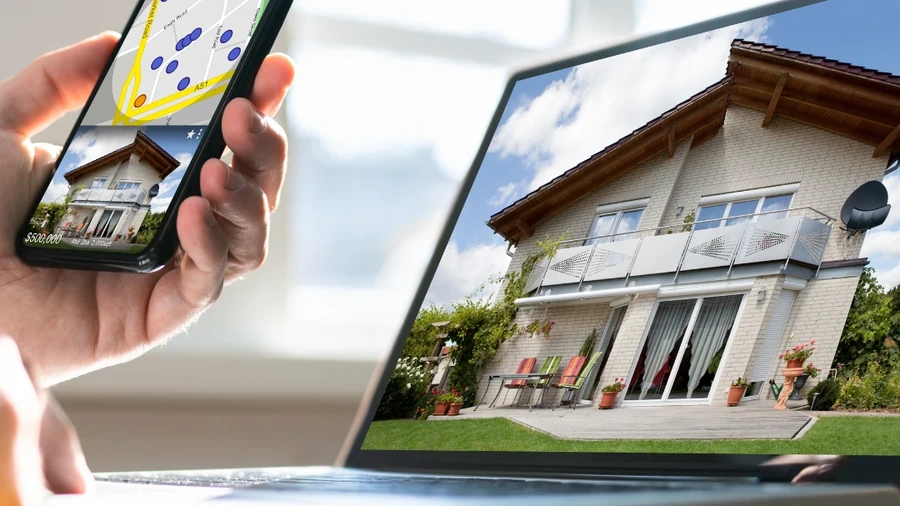
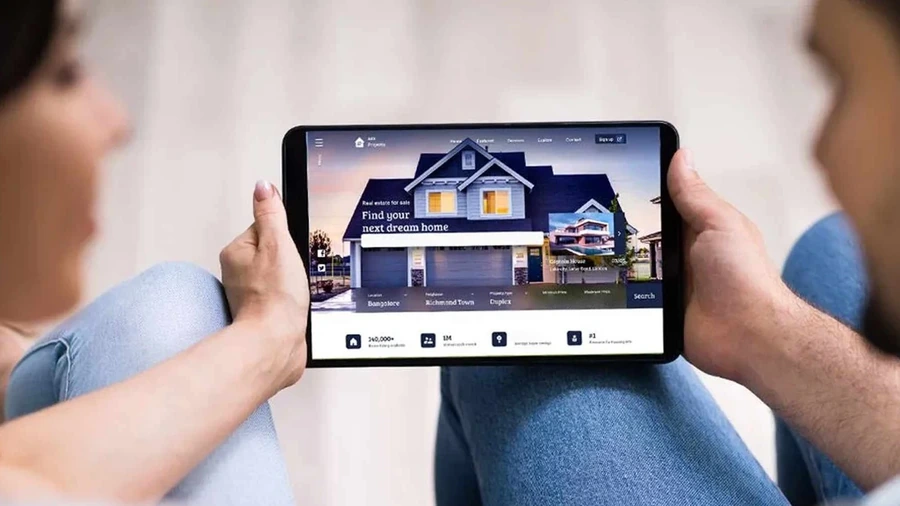
What matters in 2026 is leads, not looks. Your site has to turn visits into leads around the clock, not just show listings. Many renters search on a phone, so pages must load in under 2 seconds. Add virtual tours, search filters, easy contact and a way to apply online, and the site starts to fill vacancies.
Why Your Website Matters More Than You Think
Renters decide whether a showing is worth their time from what they see online first. Most of that browsing happens on a phone. A site that makes the property easy to see and easy to act on keeps people moving. A site that does not sends them off to the next listing.
If your site is slow, confusing or out of date, renters move on to a competitor.
Must-Have Features for Property Management Websites
1. Mobile-First Design
Most people will find your listings on their phones. If your site is slow or looks wrong on a phone, they are gone.
What this means:
- Pages load in under 2 seconds
- Easy to use with your thumb
- Buttons big enough to tap
- No zooming needed to read the text
2. Virtual Tours
Static photos are not enough now. Renters expect to walk through a home online before they book a showing.
Embed 3D tours right on the property pages. Make them easy to find and easy to open on any device.
3. Simple Property Search
People need to find what they want, fast.
Essential filters:
- Price range
- Number of bedrooms
- Location or neighborhood
- Pets allowed
- Available move-in dates
4. Easy Contact Options
Each extra click between a renter and a way to reach you is a chance to lose them to the next listing.
What you need:
- Click-to-call on phones
- A contact form on each property page
- A live chat option
- Instant email confirmations
5. Online Applications
If renters have to print and mail an application in 2026, they will find someone who lets them apply online.
Let them apply, upload documents, e-sign and pay online. Make the whole thing seamless.
SEO: How People Actually Find You
A beautiful website that nobody can find is useless
Here is how to rank in search results.
Local SEO Basics
Property management is local. You need to win local search.
Critical steps:
- Fill out your Google Business Profile in full
- Create a page for each neighborhood you serve
- Use place names in your keywords where they fit
- Get listed in local directories
- Keep your name, address and phone the same everywhere
Keywords That Matter
Target what renters actually search for:
- “[Your City] apartment rentals”
- “Property management near [landmark]”
- “[Neighborhood] homes for rent”
- “Pet-friendly apartments in [city]”
Speed Kills (Your Rankings)
Google ranks faster sites higher. A slow site quietly bleeds phone traffic, and rankings go with it. Compress your images, clean up the code and get fast hosting. Speed matters.
Making Visitors Actually Contact You
Traffic means nothing if people do not convert. Here is how to turn visitors into leads.
Clear Value Proposition
Tell people right away why they should choose you.
A value line tells renters why to choose you. Three examples: “200+ properties managed across [city]”, “Average 48-hour response time for maintenance” and “95% tenant satisfaction rate”.
Strong Calls-to-Action
Each page needs one clear next step.
High-converting CTAs:
- “Schedule a Virtual Tour”
- “View Available Properties”
- “Apply Online in 5 Minutes”
Build Trust Fast
Wary renters need proof.
What works:
- Real tenant reviews, with photos
- Google reviews pulled onto the site
- Years in business
- How many properties you manage
- Photos shot by a pro
Technical Stuff That Actually Matters
Security
You handle sensitive data. Keeping it safe is a must.
Must-haves:
- HTTPS (SSL certificate)
- Security updates on time
- Strong password rules
- Frequent backups
- A privacy policy and terms
Integrations
Your site should connect to the tools you use now.
What to connect:
- PM software, with clear links to its listings and resident portal
- Google Analytics, to see what works
- A CRM, to manage leads
- A way to take payments, for applying and for rent
Fair Housing Compliance
Your site must follow fair housing laws.
Requirements:
- A fair housing statement
- No discriminatory language
- Accessible design
- Equal opportunity messaging
What to Avoid
Common mistakes that kill property management websites:
- Untouched templates: they can look like many other sites, so test how they convert
- Ignoring phones: most of your traffic is on them
- Hiding contact info: make it very easy to reach you
- Slow load times: test on real phones, not just your desktop
- Outdated listings: nothing kills trust faster
- No clear CTA: tell people exactly what to do next
What Drives the Scope
Property management website development comes in three broad shapes. What separates them is how much of the site is built just for your portfolio.
Basic Site
- A template with your branding
- Property listings
- Contact forms
- Basic SEO
Professional Site
- Custom design
- Virtual tours
- Better search filters
- Applying online
- Links to your PM software
- Full SEO
Enterprise Site
- Fully custom build
- Extra features
- Links to many tools
- Ongoing tuning
- A support contact of your own
How to Choose a Developer
Not All Web Developers Understand Property Management
Not all web developers understand what property managers need.
Look For:
- PM sites they have built
- A real grasp of PM needs
- Real SEO skill, not just talk
- Fair housing know-how
- Support after launch
Avoid:
- Guaranteed “#1 rankings” (nobody can promise this)
- Rock-bottom pricing (you get what you pay for)
- No past work or results to show
- Poor communication during the sales process
The Bottom Line
Your property management website should:
- Load fast on a phone
- Make it easy to search listings
- Turn visits into leads
- Rank in local search
- Build trust right away
- Connect to your systems
If it is not doing these things, it is costing you money.
Stop treating your site like a digital business card. Treat it like the lead generation machine it should be.
Ready to build a property management website that fills vacancies? Kihan Marketing builds sites for property managers.
Property Management Website DesignWe rebuild the website templates that property management platforms ship, such as AppFolio's, into better sites.Frequently asked questions
What is a property management website actually supposed to do?
It should fill vacancies by turning visits into leads, not just list what is open. Renters browse listings and take a virtual tour. They filter by price, bedrooms, neighborhood, pet policy and move-in date. Then they contact you or apply without waiting for office hours.
Which features actually move the needle on leasing?
Five do the heavy lifting: a design built for phones first, virtual tours, search filters, easy ways to get in touch and applying online. Phones first means pages load in under two seconds, work with a thumb and read without zooming. Virtual tours matter because more and more renters will not book a showing until they have seen the home online.
How much does a property management website cost?
Builds fall into three tiers. A basic build covers a branded template, listings, forms, a site that works on phones and basic SEO. The professional tier adds custom design, virtual tours, better search filters, applying online and links to your software. An enterprise build is fully custom, with ongoing tuning and a support contact of your own. How many units you run, and how much of your leasing runs through the site, decide which one you need. The pricing page explains what moves the scope and how to ask for a quote.
How quickly does a better website pay for itself?
It depends on how many units sit empty and for how long, since vacancy costs add up daily. SEO usually takes several months to show steady traction, depending on the market and the site, so give it time before you judge search results.
What is the most common mistake property managers make with their website?
Treating phones as an afterthought. Many property searches happen on a phone, and a slow site loses people before they see a single listing. Other common errors are cheap templates, hidden contact details, listings that are out of date and no clear call to action.
How do I choose a developer and get started?
Check for PM sites they have built, real SEO skill and fair housing know-how, plus support after launch. Walk away from anyone who promises rankings or quotes a price far too low. Free strategy call at (425) 954-3452.
How do I build a property management website?
Start with the scope, then build in order. Pick the tier that fits how many units you manage. Then get the phone experience right and add listings with search filters. Put a contact form and click-to-call on each property page, and let renters apply online. Link each property page to the listings and resident portal in your PM software.
Should I use a property management website template?
A template is fine for a basic site if it carries your brand. It must still pass the same tests: fast on a phone, easy to search, easy to contact. The risk with a cheap template is that it can look like many other sites. Test how it converts before you commit. If most of your leasing runs through the site, a custom design is the better fit.
What should I look for in property management website examples?
Open each example on a real phone, not a desktop. Check that listings load fast and that search filters by price, bedrooms and move-in date. Then check that you can call, write or apply from the property page. When a developer shows you PM sites they have built, judge them the same way.