

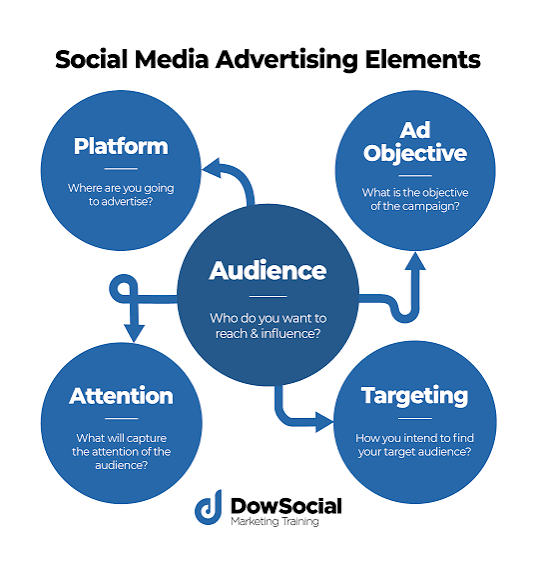
TL;DR: Social media is a set of online platforms where people and businesses post, share, and react to content in real time. This guide covers social media marketing for small business owners: the types, the platforms, and the pros and cons. Social media works as a lead generation channel when you pair steady content with paid ads. Add a clear path back to your website or booking form. The businesses that treat it as a marketing channel, not a megaphone, are the ones that turn followers into customers.
Social media brings a small business leads when it is run as a channel, not a hobby. Pick the two or three platforms your customers use. Post clear offers with a clear next step. Add paid ads to reach past your followers. Send people to a fast page with a simple form. Then track cost per lead, not likes.
- Capture more leads by pairing free posts with paid social media ads, instead of posting alone.
- Build a content calendar around the 3 to 5 platforms your real customers use, not all the platforms that exist.
- Stop measuring success by likes and followers. Track cost per lead and booked appointments instead.
- Use the 5-5-5 approach to stay steady without burning out your team.
- Scale what works: put more ad budget behind the posts and offers that already convert.
What Is Social Media
Social media is any online platform where users create and share content, and talk to each other, in real time. That covers networks like Facebook and LinkedIn. It covers visual platforms like Instagram, and video-first apps like TikTok and YouTube. It also covers messaging apps like WhatsApp. For a business, social media is a public storefront, a customer service line, and an ad platform all at once.
The Core Definition
At its simplest, social media means websites and apps built around user content, profiles, and connections. Wikipedia and Britannica both describe it as tools that let people create and share content through online groups and networks. The key difference from a normal website is that people talk back. Users comment, share, react, and message. That creates a feedback loop a static web page cannot.
For a small business, that feedback loop matters more than the textbook meaning.
A roofing company posts a photo of storm damage. It is not just broadcasting. It is inviting neighbors to comment, tag a friend, or send a message asking for a quote. That back-and-forth is what separates social media from a billboard.
- User-generated content. Posts, comments, and reviews come from real customers and prospects, not just the business.
- Two-way communication. Customers can message, comment, or react right away, instead of just viewing an ad.
- Algorithmic distribution. Platforms decide who sees content based on engagement, not just on who follows you.
Why It Matters for Local Businesses
Local businesses in property management, med spas, dental, real estate, and home services rely on trust and on being seen in one area. Social media is a low-cost way to stay visible between sales. A dental practice can remind patients about cleanings. A property manager can show off an open unit.
It also feeds other channels. A post often gets reused on the website, in email, or in Google Business Profile optimization work. One photo or video then works across many touchpoints.
Followers are not customers. A social page with 10,000 followers and zero leads is a hobby, not a marketing channel.
Types of Social Media Explained
There are four main types of social media: social networks, media sharing networks, discussion forums, and messaging apps. Each serves its own purpose in how people connect and take in content. Knowing the type helps you match the content format to how the platform behaves, instead of posting one thing on all of them. Most owners end up using a mix of two or three types, not just one.
Social Networks
Social networks like Facebook and LinkedIn are built around profiles and connections. People follow pages, join groups, and see content based on who they know and what they like. This is where most local businesses build their core following. Paid social ads tend to do well here, because you can target by location, interest, and behavior.
Media Sharing Networks
Instagram, TikTok, YouTube, and Pinterest put the content format first and connections second. A med spa or a real estate agent thrives here. These platforms reward visual stories: before and after photos, property walkthroughs, or short video tips.
- Instagram. Photos, Reels, and Stories for visual brands.
- TikTok. Short-form video with strong free reach for new accounts.
- YouTube. Long videos and Shorts, strong for people who find things by search.
- Pinterest. Visual discovery, useful for design, real estate, and home services ideas.
Discussion Forums and Messaging Apps
Reddit, Nextdoor, and niche forums are places to talk. Trust there is built through helpful answers, not polished ads. Messaging apps like WhatsApp and Facebook Messenger are more and more a direct sales channel. That is true especially for service businesses that quote jobs or answer quick questions.
For law firms and property managers, forums and neighborhood apps like Nextdoor can be a quiet but effective source of referral leads. A tip from a neighbor there carries more weight than a paid ad.
| Platform | Best For | Content Type | Lead Gen Strength |
|---|---|---|---|
| Local services, real estate, home services | Photos, video, reviews, events | Strong, especially with paid ads and local targeting | |
| Med spas, dental, real estate, brand-driven businesses | Photos, Reels, Stories | Strong for visual industries and younger buyers | |
| Law firms, B2B, property management | Articles, company updates, thought leadership | Moderate, best for referral and trust building | |
| TikTok | Home services, med spas, roofing, younger consumer brands | Short-form video | Growing fast, strong reach, lower cost per view |
| Google Business Profile | All local businesses | Posts, photos, reviews | High intent, directly tied to local search |
Main Social Media Platforms and Who Should Use Them
The right platform for a small business depends on who the customer is and what they are ready to see. It does not depend on which platform is trending. A roofing company and a dental practice reach very different people, and the platform mix should reflect that. Most owners see the best return by going deep on two or three platforms instead of spreading thin across six.
Facebook and Instagram
Facebook remains the largest platform by user base. It is still the strongest for local targeting, event posts, and trust built on reviews. Instagram is owned by the same company. It works well beside Facebook for visual fields like med spas, dental, and real estate.
Run both together, with Facebook Ads management and Instagram ads planned as one. You can then reach the same people again in two places without doubling the work.
LinkedIn and Professional Platforms
LinkedIn suits law firms, property management companies, and home services firms that sell to other businesses. The buyer there is a professional who decides with care. Content here should show what you know: case results, market updates, and company milestones, not offers and deals.
TikTok and Short-Form Video
TikTok has moved well past being a young-audience app. It now reaches a broad range of ages looking for quick, real content. Home services and med spas in particular have found strong free reach here. Raw, rough video often beats polished ads on this platform.
- Low production cost. Phone-shot video often beats studio content on this platform.
- Fast discovery. New accounts can reach large audiences with no followers to start.
- Search behavior. Many users now search TikTok itself for local recommendations, much like Google.
Advantages and Disadvantages for Small Businesses
Social media gives a small business a low-cost way to be seen, direct customer feedback, and a place to test offers. It also demands steady time. It exposes the business to public complaints. And it can distract owners with numbers that look good but never turn into sales. A frank look at both sides is the only way to build a plan that is worth the effort.
The Real Advantages
The biggest plus is cost. Posting costs nothing. Paid social campaigns can start with a modest budget and scale once they prove out. Social also shows you in real time what customers respond to. Comments and shares are direct feedback, faster than any survey.
- Low barrier to entry. Any business can create a page and start posting the same day.
- Direct customer access. Comments and messages create a two-way talk that one-way ads do not allow.
- Content repurposing. A single photo shoot or video can fuel weeks of posts across platforms.
- Trust signals. Reviews, tags, and shares on social feed into a business’s reputation management work.
The Real Disadvantages
Social media takes real time when done well. Posting in fits and starts often does more harm than good, because the platforms reward accounts that stay active. Negative comments and reviews are public and stay up for good unless you deal with them fast. That is why reputation management matters as much on social as it does on Google.
There is also a measuring trap. It is easy to get excited about follower growth or likes. It is just as easy to miss whether any of it led to a phone call, a booked appointment, or a signed lease.
- Time cost. Making content, planning posts, and replying to people take real hours each week.
- Algorithm dependence. Free reach can drop overnight when a platform changes its algorithm.
- Public criticism. Negative comments are seen by each visitor unless you handle them fast.
- Vanity metric trap. Likes and followers feel like progress, but they do not pay the bills on their own.
How to Turn Social Media Into Leads
Social media turns into leads when you pair steady content with paid ads and an easy way for interested people to take the next step. Posting alone rarely brings enough volume. The businesses that get real leads treat social as one part of a funnel, not the whole funnel. This is where most owners either win or waste their budget.
Content That Actually Converts
The content that brings leads is specific, not bland. A specific offer, a reason to act now, and a clear next step beat feel-good or purely branded content almost every time.
A dental practice posts “we love our patients.” It gets likes. The same practice posts “same-day appointments available this week.” It gets calls. The second post is specific, and it gives people a reason to act now.
It helps to work with a team that handles social media content design. Then the visuals match the message. A strong offer buried in a poor graphic still falls flat.
- Offer-driven posts. Deals, open slots, and offers that end soon beat bland brand posts.
- Before-and-after content. Especially strong for med spas, home services, and roofing.
- Customer stories. Reviews and quotes from customers build trust faster than any ad copy.
- Clear calls to action. Each post should tell the viewer exactly what to do next.
Why Paid Social Still Matters
Free reach on most platforms has fallen for years, as the platforms favor paid content and video. So even a page with loyal followers reaches a smaller share of them over time with free posts. Paid social ads fill that gap. They put content in front of people who match the customers you want most. That might be homeowners within 15 miles of a roofing company. Or it might be renters searching in one zip code for a property manager.
A well-run campaign tracks cost per lead, not just cost per click. The usual lever is to move budget out of broad awareness ads and into retargeting, which aims at people who already visited the site. They have shown intent, and they cost less to convince.
Connecting Social to the Rest of the Funnel
A lead from social media still needs somewhere to go. That means a fast landing page and a simple contact form. Ideally it also links back to search, through website speed work and voice search optimization. Then the same prospect finds you again when they search later. Social media rarely closes a sale on its own. It makes the first contact; search, email, and follow-up calls finish the job.
Building a Sustainable Social Media Strategy
A plan that lasts needs a posting rhythm you can keep up and a small set of platforms matched to your buyers. It also needs a monthly review tied to leads, not views. Treat social as a one-time project instead of an ongoing channel, and engagement almost always fades within a few months. Steady work beats short bursts here.
The 5-5-5 Rule and Posting Rhythm
The 5-5-5 rule is a simple content habit: each day, spend 5 minutes engaging with 5 accounts and leave 5 meaningful comments. It keeps you active in your community, not just broadcasting. That helps free reach and builds real ties with local followers.
Beyond that daily habit, most owners do well posting 3 to 5 times per week on each platform. Aim for a mix of offers, behind-the-scenes posts, and customer proof.
Choosing the Right Mix of Platforms
Rather than trying to be everywhere, most owners get better results on the two or three platforms where their real customers spend time. A property manager might put Facebook and Instagram first to reach future tenants. A law firm leans harder into LinkedIn and Google Business Profile.
Managing social media for a small business is ongoing work: planning posts, replying to people, and a monthly review of results. That work keeps a plan from going stale. Set it and forget it rarely works past the first quarter.
- Match platform to buyer. Choose based on where your ideal customer already spends time, not on your own taste.
- Review monthly. Check which posts drove clicks, calls, or form fills, then double down on that format.
- Stay flexible. Platform algorithms and audience habits change. A plan from a year ago may already be out of date.
Measuring What Actually Matters
The right metrics for a small business are leads, cost per lead, and sales traced back to social, not likes, followers, or views. A page can have a modest follower count and still bring steady business, if the content and targeting are dialed in.
If a plan is not producing leads you can count within a fair window, adjust it. Do not defend it.
Social Media ManagementPosts, graphics and paid social for local businesses, planned around the people you need to reach.Frequently Asked Questions
What are the 4 types of social media?
The four main types are social networks (Facebook, LinkedIn), media sharing networks (Instagram, TikTok, YouTube), discussion forums (Reddit, Nextdoor), and messaging apps (WhatsApp, Messenger). Each serves its own purpose, from building ties, to sharing visual content, to direct one-on-one chat.
What are 10 social media platforms?
Ten widely used platforms are Facebook, Instagram, TikTok, LinkedIn, YouTube, Pinterest, Snapchat, Reddit, X (formerly Twitter), and Nextdoor. A small business usually needs an active page on only two or three of these, based on where its customers spend time.
What is the 5-5-5 rule for social media?
The 5-5-5 rule means spending 5 minutes a day engaging with 5 different accounts and leaving 5 meaningful comments. It is a simple habit that builds real ties in your community, instead of only posting and walking away.
What are 5 examples of social media?
Five common examples are Facebook, Instagram, TikTok, LinkedIn, and YouTube. Each has its own content format and audience. That is why you should choose platforms based on where your customers are, not on hype.
Is social media marketing worth it for a small business?
Yes, when it is paired with paid ads and a clear path to leads. Then it is one of the lowest-cost ways to build local reach and trust. It falls flat when a business only posts now and then and never tracks whether it brings calls or bookings.
How often should a small business post on social media?
Most owners see solid results posting 3 to 5 times per week on each platform, plus daily replies to comments and messages. Showing up steadily over time matters more than how many posts go out in any one week.
What’s the difference between organic and paid social media?
Organic social media is free content posted to your own page. It reaches your followers and whoever the feed shows it to. Paid social ads put content in front of a chosen audience beyond your current followers. That matters more and more, since free reach has fallen across most platforms.
Which social media platform is best for local businesses?
Facebook and Instagram tend to work best for most local businesses, thanks to strong local targeting and visual formats. But the right platform depends on the field. A law firm may get more value from LinkedIn, while a roofer often does well on Facebook and TikTok.
How do you start social media for a small business?
Start with two or three platforms where your customers already spend time, and set up your Google Business Profile beside them. Post 3 to 5 times a week on each platform: offers, behind-the-scenes posts, and customer proof. Give each post a clear next step, such as a call or a form. Then track which posts bring calls and form fills.
How do you manage social media for a small business?
Managing it well means keeping a steady rhythm: plan posts ahead, reply to comments and messages each day, and keep the 5-5-5 habit. Review the numbers each month and double down on the formats that drove clicks, calls, or form fills. If the time is not there, a team can handle the design, planning, and replies.
What types of social media content should a small business post?
Post content that asks for the sale, not just awareness. Offer posts, such as open slots and deals, beat bland brand posts. Before and after photos work well for med spas, home services, and roofing. Reviews and customer stories build trust faster than ad copy. Mix in behind-the-scenes posts, and give each post a clear call to action.
How much does social media marketing cost for a small business?
It depends on the scope. Cost moves with how many platforms you run, how often you post, and whether graphics and video are made for you. Adding paid ads and daily replies moves it too. Paid ads also need their own budget, which can start modest. See the pricing page, or start with a free audit.
Social Media Only Works When It’s Tied to Leads
Social media is a powerful, low-cost channel, but only when you treat it as part of a bigger marketing engine, not a side task. That means matching platforms to your real audience. It means posting content that asks for the sale, not just content that builds awareness. And it means pairing free posts with paid ads to reach beyond your current followers.
The businesses that win on social are not the ones with the most followers. They are the ones tracking cost per lead and adjusting each month based on real results. If your current approach is not bringing leads you can count, it is worth a second look. Get a free audit to see where the gaps are, what a focused plan could produce, and where your site really stands.