

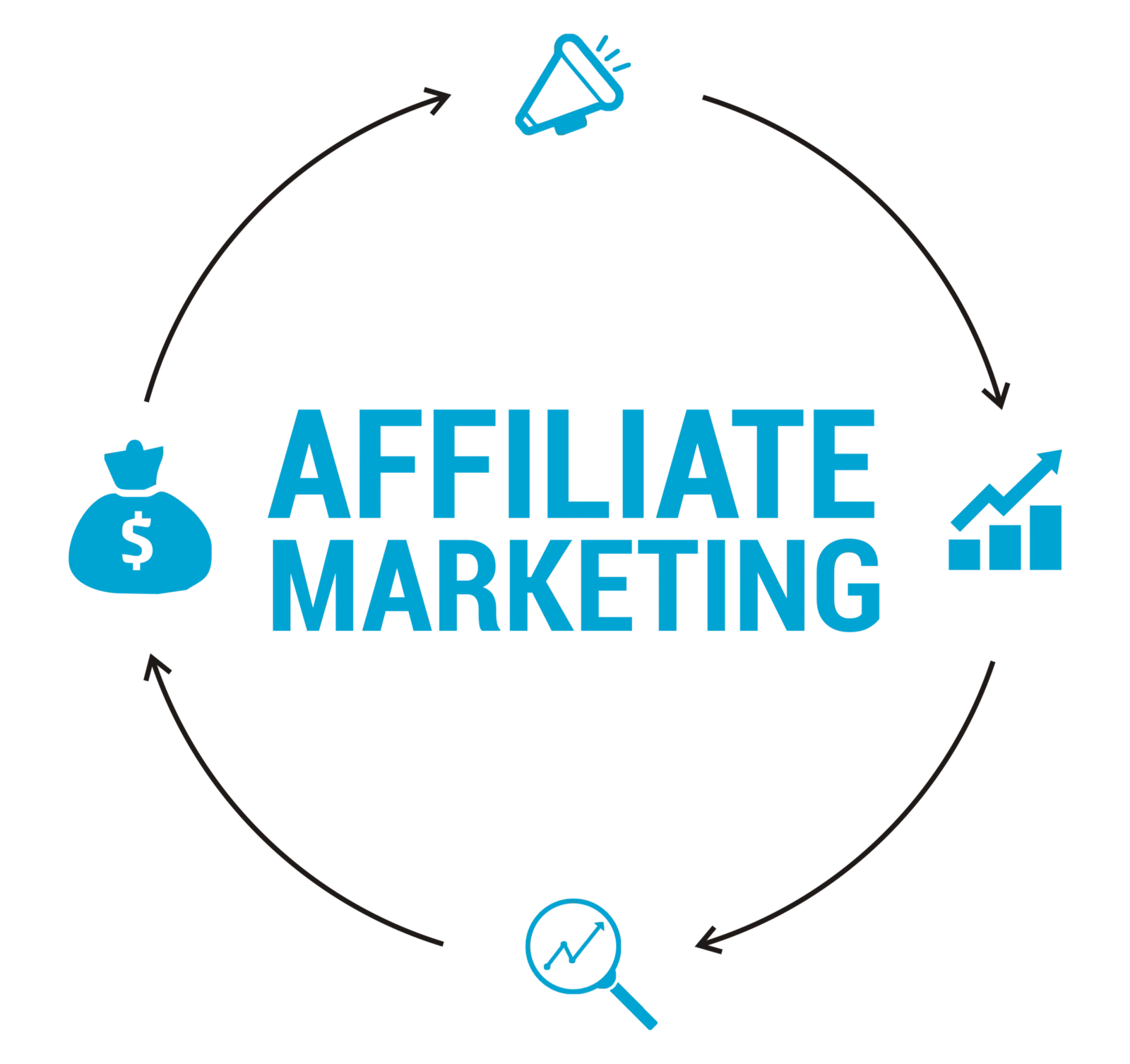
Affiliate marketing is a way to pay only for results. A business pays a partner, the affiliate, a commission. It is earned on each sale, lead or click that comes through the partner’s own link. Both sides win. The business gets low-risk marketing. The partner earns money by recommending products they trust to their own audience.
Getting started takes three things: a clear niche, a program or network to join, and steady content that puts your links in front of the right people.
Affiliate marketing pays only when a real sale or lead happens. That makes it low risk for the business and open to anyone with an audience. Pick a narrow niche and join two or three programs that fit it. Disclose each link. Treat it as one channel beside SEO and paid ads, not a plan on its own.
- You pay a commission only when a sale or lead happens, never for views or clicks.
- Build a niche audience first. Trust and fit convert better than broad traffic ever will.
- Do not chase them all at once. Focus on two or three programs that match what your readers are ready to buy.
- Get disclosure and the other legal basics right from day one, so your content stays eligible for ad platforms and search.
- Grow by pairing partners with SEO and paid channels, not by running affiliate links on their own.
What Is Affiliate Marketing and How Does It Work
Affiliate marketing is a revenue share. A business pays a partner a commission for each sale, lead or action that comes through a tracked link. The affiliate promotes the product. A shopper clicks the link. If the shopper buys, the affiliate earns a share of the sale or a flat fee. It is one of the oldest ways online to pay only for results. It still works because both sides win only when the shopper buys.
The Three Parties Involved
Each affiliate deal has three players. The merchant is the company selling the product or service. The affiliate is the person or site promoting it. The customer clicks the link and buys. A fourth party often sits in the middle: the network or platform. It handles tracking, payouts and reporting, so neither side has to build that plumbing from scratch.
For a small business, this means you do not need custom software to run a program. Networks like ShareASale, Impact or CJ Affiliate exist to connect merchants with partners and to do the commission math.
- Merchant. The business offering the product, service or app being promoted.
- Affiliate. The publisher, blogger or creator sharing the referral link.
- Network or platform. The system that tracks clicks, credits sales and pays out commissions.
How Tracking and Payouts Actually Work
Each affiliate link carries a unique tracking code, often a cookie or a tag in the URL. It tells the merchant which partner sent the shopper. Most programs use a cookie window, commonly 24 hours to 30 days. If the shopper comes back and buys inside that window, the partner still gets credit. That holds even if they did not buy on the first visit.
Commission structures vary. Some programs pay a flat fee per lead or signup, called pay per lead. Others pay a share of the sale, called revenue share. That model is common in online stores, and the rate ranges widely with the industry and the margin.
- Pay per sale. A share of the order total, common in ecommerce and SaaS (software sold by subscription).
- Pay per lead. A flat fee for a qualified action, like a form fill or a free trial signup.
- Pay per click. A small payment per click. It is rare today because it rewards traffic volume over quality.
- Cookie window. The period in which the partner still gets credit for a later purchase.
Affiliate marketing only works when the recommendation is honest enough that someone would have made it for free.
How to Start Affiliate Marketing With No Money
You can start affiliate marketing with no money. Choose a free content platform and join a no-cost program. Then publish honest recommendations for an audience you have or can grow without ads. The real cost is not cash. It is the time it takes to build trust and traffic before the first payout arrives.
Pick a Niche You Can Speak to Credibly
The partners who do well pick a niche narrow enough to become a trusted source fast. A general “lifestyle” blog struggles to compete.
Take a site about home office ergonomics, dog training gear, or budget travel in one region. It can rank and convert with far less traffic than a general blog. Each one solves one problem for one kind of reader, and that fit converts better than broad traffic.
Ask what you know well enough to recommend products honestly. Readers reward a specific focus and real experience over generic reviews. So do AI-generated answers.
- Solve one problem for one audience instead of writing broadly.
- Choose a topic with products that pay repeat or high-ticket commissions.
- Confirm there is real search demand before you commit months of content.
Choose Your Platform: Blog, YouTube, or Social
You do not need a website on day one. Many affiliates start on YouTube, TikTok or Instagram. Those platforms can show your content to new people without any ad spend. A blog or content site takes longer to gain traction through SEO. In return, its traffic tends to last longer and build over time.
Whichever platform you choose, publish on a steady schedule. Put the link where people look anyway: a video description, a bio link, or a comparison table inside a blog post.
- Blog or website. Best long-term SEO value. Slower to start, but the most control over content.
- YouTube. Strong for product demos and reviews, and it draws video search traffic.
- TikTok and Instagram. Fast reach for trend-driven or visual products. Each post has a shorter life.
- Email newsletter. Underused, but it converts well once you have a list.
Join a Program and Get Your First Link
Sign up for a network or a brand’s own program. Most are free to join. Most programs want to see a working site or social profile with some content on it. So publish a handful of pieces before you apply.
Once you are in, say clearly that you earn from the links, on each page or post that carries one. In the United States, FTC guidelines require this. It also builds reader trust rather than hurting it.
| Model | Who Gets Paid | Payment Trigger | Typical Use Case |
|---|---|---|---|
| Affiliate Marketing | Third-party publisher or influencer | Sale, lead, or signup via tracked link | Product reviews, comparison sites, niche blogs |
| Pay-Per-Click Ads (Google Ads) | Ad platform, business pays regardless of outcome | Every click on the ad | Immediate traffic and lead capture |
| Influencer Sponsorship | Influencer | Flat fee, often upfront | Brand awareness, reach |
| Referral Program | Existing customer | Successful referral of a new customer | Word-of-mouth growth for local services |
How Much You Can Actually Earn
Affiliate income ranges from pocket change for people starting out to a full-time income for seasoned publishers with serious traffic. It depends almost entirely on niche, audience size and commission structure, not on the platform alone. There is no fixed answer, because results vary so widely with effort and market.
Can You Make a Meaningful Income With Affiliate Marketing
Yes, some affiliates earn a solid full-time income. It often takes a built-up audience and high-value or repeat commissions. It also often takes one to three years of steady content and SEO work. It can happen, but it is not a sure thing, and it rarely happens in the first few months.
The partners who reach that level tend to spread their traffic across search, email and social. They also have more than one income stream, so a single algorithm change cannot wipe out their income overnight.
- High-ticket or repeat commissions, such as SaaS subscriptions, tend to scale faster than one-time, low-margin sales.
- Traffic spread across SEO, email and social lowers the risk from any one platform change.
- Steady posting beats any single viral post. Most growth builds over many months.
What Actually Drives Affiliate Income
Three factors matter more than which niche you pick: traffic volume, conversion rate (the share of visitors who buy) and average commission per sale. A small audience with strong buying intent often converts better than a much larger, passive one. Someone comparing two products right now is worth more than a casual browser.
Content format matters too. Comparison posts, “best of” roundups and detailed reviews convert better than passing mentions. They meet the reader at the exact moment they are deciding what to buy.
- Traffic volume. More of the right visitors means more chances to convert.
- Conversion rate. Comparison and review content draws higher intent than casual mentions.
- Average commission. Higher-ticket products or repeat subscriptions turn the same traffic into more money.
The Highest Paying Affiliate Programs
The highest paying affiliate programs are mostly in SaaS, web hosting, finance and high-ticket goods. Some pay a flat fee per sale. Others pay a monthly share for as long as the customer stays subscribed. On a per-sale basis, these beat low-margin retail programs, even with less traffic.
SaaS and Software Programs
Software companies often pay recurring commissions. That can be 20 to 40 percent of the monthly fee, for as long as the referred customer stays active. This income stacks up. One signup can pay out each month for years instead of once.
Web hosting companies are a classic example. They often pay a flat bounty per signup well above a retail commission. They can afford it because each customer is worth a lot to them over time.
- Recurring SaaS commissions can build passive income that grows over time.
- Hosting and website tool programs often pay flat bounties well above typical retail rates.
- B2B (business-to-business) software programs tend to have longer sales cycles but a higher value per sale.
Finance, Insurance, and High-Ticket Physical Products
Finance and insurance programs pay some of the highest flat fees in the field. Think credit cards, loans and insurance comparison sites. The reason is simple: each buyer is worth a lot to the merchant over time. High-ticket goods, like mattresses, furniture or fitness equipment, also pay well. The margin per sale is large, so even a modest commission rate adds up.
These niches need more content work up front, often detailed comparisons that build trust. That is because the buying decision carries more weight for the buyer.
Amazon Associates and Other Popular Programs
Amazon Associates pays from roughly 1 percent to 10 percent depending on the product category. That makes it one of the lowest paying programs. It is also one of the easiest to join and among the highest converting. Amazon’s brand trust and huge product catalog are the reason. Most people start here. Getting in is fast, and nearly any niche has something to promote. Links only earn when people click them, so the content still needs traffic from search, social or email.
How Much Does Being an Amazon Affiliate Pay
Amazon’s rates vary by category. Items like luxury beauty or Amazon-branded products have long paid near the higher end. Electronics and video games pay much less, often around 1 to 4 percent. Because Amazon’s order values and conversion rates are strong, many partners still earn real income even at those low rates.
The program also pays on other items a shopper adds to the cart during that visit. It is not just the product you linked. For a well-placed link, that can lift earnings a good deal.
- Rates differ a lot by category, so check current rates before you build content around a niche.
- Amazon’s 24-hour cookie window is shorter than many rivals offer, so timely, high-intent content matters more.
- Heavy traffic and trust in Amazon’s checkout mean more clicks turn into sales, even at low rates.
Other Widely Used Affiliate Networks and Programs
Beyond Amazon, there are affiliate marketing networks like ShareASale, CJ Affiliate, Impact and Rakuten Advertising. They host thousands of brand programs across nearly any field. Many SaaS companies, from email tools to website builders, run their own direct programs outside those networks.
Local service companies see this from the other side. Referral and partner programs run on the same logic as affiliate marketing. They are mostly informal referral fees between companies rather than a public affiliate network.
- ShareASale and CJ Affiliate. Broad networks covering retail, software and services.
- Impact. Popular with SaaS and subscription brands for its detailed tracking.
- Direct brand programs. Many software and direct-to-consumer (DTC) brands run their own in-house programs. These tend to offer better support and higher payouts than a network.
Running an Affiliate Program as a Business Owner
Running your own affiliate program puts you in the merchant’s seat. You set the commission structure. You recruit partners who already reach your target customer. You pay only when a sale or lead closes. That makes it one of the lowest-risk ways to add a new sales channel. For a small business in a crowded local market, it can extend reach without adding to a fixed marketing budget.
When an Affiliate Program Makes Sense for a Small Business
Affiliate programs work best when industry bloggers, local influencers or related companies can honestly recommend what you sell.
A roofing company might partner with a local home renovation blog. It might also work with a real estate agent’s referral network. Either way, it does not have to build a public affiliate network from scratch.
Take most local service businesses, from med spas to dental practices. For them, a formal referral or partner program makes more sense than a public network. The volume of local traffic with real intent rarely justifies network fees. In those cases the plan looks a lot like content marketing and reputation management working together. Happy customers and trusted local voices become the engine.
- A clear, trackable action. You need a link, code or form that ties the referral back to one partner.
- A commission structure that motivates action. Flat fees suit lead generation businesses. Percentages suit online stores.
- Partners who already reach your ideal customer. Relevance beats reach every time.
Where Affiliate Thinking Fits Into a Broader Growth Plan
Affiliate and referral partners work best alongside your other channels, not instead of them. Say a business has invested in SEO and a strong Google Business Profile optimization plan. It shows up in search, and that makes partners want to join its program. Affiliates want to promote brands people know and trust.
Pair it with paid channels like Google Ads or Facebook ads management, and an affiliate layer adds another source of customers. It costs money only when it produces results. That is a useful hedge when ad costs rise. Some companies run this kind of full-funnel plan. For them, affiliate and referral traffic tends to add to paid and search leads rather than eat into them.
- Content marketing and SEO build the trust that makes partners want to promote you.
- Paid ads and affiliate partners can run side by side without fighting over the same budget.
- Reputation management strengthens the case a partner makes when they recommend you to their audience.
Frequently Asked Questions
Can you make a meaningful income with affiliate marketing?
Yes, but it often takes three things: a built-up audience, high-value or repeat commission products, and steady content over a year or more. Most people earn far less in their first months. Income grows as traffic and trust build.
How do I start my affiliate marketing?
Pick one niche. Choose a platform, such as a blog, YouTube or social media. Join a free program or network that fits the niche. Then publish honest, helpful content with your tracked links. Most programs want some existing content or an active social profile before they approve you.
Which is the highest paying affiliate program?
SaaS and web hosting programs often pay the most: sometimes 20 to 40 percent repeat commissions, or a flat bounty per signup well above a retail rate. Each customer is worth a lot over time, so merchants can afford it. Finance and high-ticket goods programs also pay well because order values are large.
How much does being an Amazon affiliate pay?
Amazon Associates commissions range from roughly 1 percent to 10 percent by product category, with most categories at the lower end. Even so, Amazon’s heavy traffic and strong conversion rates often make it worthwhile, above all for people starting out.
How do I start affiliate marketing with no money?
Use free platforms like a blog, a YouTube channel or a social media account. Join no-cost programs. Create content around products you can stand behind. The investment is time and steady work rather than cash up front.
Do I need a website to do affiliate marketing?
No. Many affiliates start on YouTube, TikTok or Instagram without a website. A website tends to build more lasting traffic over time through SEO, but you do not need one to get started.
Is affiliate marketing still profitable in 2026?
Yes. Affiliate marketing remains a sound revenue channel for publishers and merchants alike, because it pays for results and carries little risk. The field is more crowded now, which makes niche focus and real know-how matter more than ever.
What is the difference between affiliate marketing and a referral program?
Affiliate marketing mostly means public programs open to any publisher who qualifies, tracked through a network with standard commissions. Referral programs are simpler partnerships between companies or with existing customers. Local service companies often use them instead of a public affiliate network.
Is affiliate marketing a scam?
No. Affiliate marketing is a common way to pay only for results. Amazon Associates and networks like ShareASale, CJ Affiliate and Impact are built on it. The model only works when the advice is honest. So disclose each link, as FTC guidelines require, and recommend only what you would recommend for free.
What is high-ticket affiliate marketing?
High-ticket affiliate marketing means promoting costly products, such as mattresses, furniture or fitness equipment. The margin per sale is large, so even a modest commission rate pays well. The trade-off is more work up front. Buyers weigh these purchases carefully, so the content has to compare options in detail and earn trust.
Which affiliate program should a beginner join first?
Most people start with Amazon Associates. Getting in is fast, nearly any niche has something to promote, and Amazon’s checkout converts well even at low rates. Once you have content and some traffic, add one or two programs in your niche that pay more per sale. A software tool with repeat commissions tends to scale faster than one-time sales.
How much does it cost to run an affiliate program?
The main cost is the commission you set, paid only when a sale or lead closes. A flat fee or a percentage of each sale moves that cost most. A public network adds its own fees, so many local service companies run a simple referral program instead. First, see where your site stands with a free marketing audit.
Start Small, Track Everything, Scale What Converts
Affiliate marketing rewards a narrow focus and honesty more than sheer volume. You may be building an income as a publisher. You may be weighing a partner program for your own business. Either way, the basics are the same. Track each link. Pay or earn only on real results. Focus on the audience most likely to buy, not the biggest one on offer.
Do you own a small business? If you wonder whether an affiliate or referral plan fits beside your SEO, paid ads and content, talk to a specialist. Ask where it fits in your lead generation plan.
Want to know where your site stands? Ask for a free marketing audit.