

The top social media platforms for business in 2026 are still the big names, led by Facebook and YouTube. But the right one for you depends on where your buyers spend time, and on what they search for.
Most small firms get the most leads from a focused mix of two or three platforms, not all of them at once. That holds for property managers, home services and med spas alike.
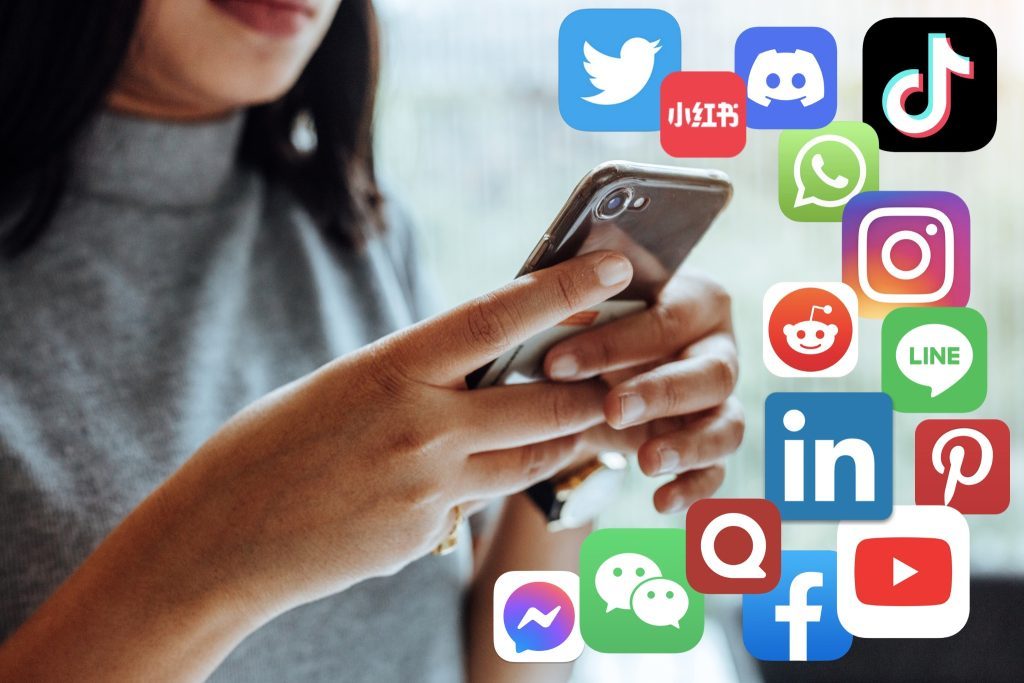
The top platforms by active users are Facebook, YouTube, WhatsApp, Instagram, TikTok and LinkedIn, but size alone doesn’t pick your channel. Choose the two or three where your buyers spend time now. Post there at a steady pace and back the posts with targeted ads. Then judge each platform by the leads it sends, not by likes.
- Capture leads faster by picking two or three platforms that match how your buyers shop. Don’t spread thin across all of them.
- Pair organic posting (posts you don’t pay to promote) with paid ads. Organic reach on most platforms now sits in the low single digits.
- Stop chasing each new platform trend. Double down on the one or two channels that send you calls and form fills today.
- Put short video on at least one platform. It’s the format that drives the most engagement on Instagram, TikTok and YouTube right now.
- Scale what works. Track cost per lead by platform each month, not just likes and impressions, so budget goes where revenue shows up.
The Top Social Media Platforms Ranked by Users
The most popular social media platforms in 2026, by monthly active users, are Facebook, YouTube, WhatsApp, Instagram, TikTok and LinkedIn. Facebook and YouTube each report well over 2 billion monthly users. Size alone doesn’t tell you which one will bring leads to a given firm. But it’s the place to start, because it shows where the people are.
The Top 10 Platforms by Reach
Facebook is still the largest platform. It still works well for local firms, thanks to detailed ad targeting and active local groups. YouTube ranks second. It works more like a search engine than a social feed. That matters for service firms whose buyers research before they buy.
WhatsApp and Instagram make up the next tier. Instagram carries outsized weight in visual trades such as med spas, dental and real estate. TikTok has grown from a novelty app into a mainstream discovery engine, above all for buyers under 40.
- Facebook. The all-round choice for local visibility, local groups and detailed ad targeting.
- YouTube. Works as a search platform, ideal for how-to content and building trust before a sale.
- Instagram. Strongest for visual proof, before and after content, and buyers with an eye for design.
- TikTok. The fastest growing platform for unpaid reach, and for reaching younger buyers through short video.
The Top 20 and Beyond
Past the top 10, the list widens to WeChat, Douyin, Telegram, Snapchat, Pinterest and X. Most of these serve niche or regional audiences, not broad small business reach. Pinterest deserves a mention for home services and real estate. It works more like a visual search engine than a social network. One pin can send steady referral traffic for years.
For most small firms outside large international metro markets, the top 20 matters less. What matters is picking the right 2 or 3 platforms from the top 10. Chasing a presence on all 20 tends to spread the budget too thin. Then nothing moves the needle on any one of them.
- Pinterest. Strong for real estate, home services that work on interiors, and steady unpaid traffic over the long run.
- Snapchat. Limited business use outside a few younger consumer markets.
- X. Useful for live updates, customer service and law firm thought leadership.
- Telegram and WeChat. Mostly for firms whose customers live abroad or keep close ties abroad.
The 7 Major Platforms Most Businesses Actually Use
When people ask about the 7 major social media platforms, they usually mean Facebook, Instagram, TikTok, LinkedIn, YouTube, X and Pinterest. Those seven cover most of what small firms do on social media.
The right social media platform isn’t the biggest one. It’s the one where your next customer is already scrolling.
The Major Types of Social Media Platforms
Social media platforms fall into five broad types: social networks, video sharing, professional networks, visual discovery and messaging apps. Most firms need a presence in two or three of these types, not all five. Knowing the type tells you what a platform is good for. Learn that before you put time and ad budget into it.
Social Networking Platforms
Facebook and X sit here. They are built around connecting people, sharing news and joining groups. For local firms, Facebook groups and local pages often do more than the firm’s own page posts. They bring engagement from the right people.
- Facebook groups. Local buy and sell groups and neighborhood groups can be a direct source of leads for home services and property managers.
- Community trust. Reviews and recommendations shared in these groups often carry more weight than paid ads.
Video and Visual Platforms
YouTube, TikTok, Instagram and Pinterest are built around video and images. They reward firms that can show their work, not just describe it.
A roofing firm posts drone footage of a finished job. A med spa shares a real client’s before and after photos. On these platforms, both tend to beat generic stock content.
Short video has become the main format on nearly every major platform. That now includes LinkedIn, which pushes video in its own feed.
- Instagram Reels and TikTok. Quick, real content that shows real work, real staff and real results.
- YouTube. Longer explainers, service area overviews, and full answers to common customer questions.
- Pinterest. Home services, real estate and design-led firms with strong before and after images.
Professional and Niche Platforms
LinkedIn dominates the professional network category. It is most valuable for law firms, commercial property managers and B2B-facing home service firms that want referral partners. New social media platforms keep appearing too. Threads, Bluesky and trade forums are a few of them. Most reach only a fraction of the big players’ audience.
- LinkedIn. Referral partners, hiring, and showing a firm’s leaders as credible experts.
- Niche and alternative platforms. Worth watching, but rarely worth a budget of their own for most small firms in 2026.
| Platform | Best For | Content Format | Business Fit |
|---|---|---|---|
| Local awareness, community groups, older demographics | Photos, video, community posts, ads | Property management, home services, real estate, dental | |
| Visual brand building, before/after content | Reels, carousels, Stories | Med spas, dental, real estate, roofing | |
| TikTok | Reaching younger buyers, viral discovery | Short-form video | Med spas, home services, real estate |
| B2B trust, referral relationships, hiring | Articles, posts, thought leadership | Law firms, property management, commercial real estate | |
| YouTube | Search-driven discovery, long-form trust building | Long and short video | Home services, real estate, law firms |
| X (formerly Twitter) | Real-time updates, customer service, news | Short text posts, threads | Law firms, larger property management brands |
Which Platform Is Right for Your Business
The right social media platform for a small firm is the one where its buyers research and decide. Total user count matters less. A property manager and a med spa should almost never run the same platform plan. Their buyers don’t behave the same way online.
Property Management, Multifamily, and Real Estate
These firms tend to do well on Facebook and Instagram. Local groups, neighborhood pages and video tours of the property reach renters and buyers directly. Video walkthroughs posted as Reels or TikToks often beat static photo posts. A prospect can see the space before booking a tour.
LinkedIn also has a role for property managers who serve commercial clients, or who want ties with brokers and investors. That is separate from the consumer side of the business.
- Facebook. Local groups and marketplace listings for rental and sale inquiries.
- Instagram. Video tours and lifestyle content for multifamily and residential real estate.
- LinkedIn. Broker and investor ties for commercial property management.
Home Services, Roofing, HVAC, Electrical, and Plumbing
Home service firms get the most leads from platforms that show proof of work: finished jobs, before and after shots, and customer reactions. Facebook remains the top platform for this group. Its local ad targeting is strong, and local groups build trust. Instagram and TikTok are gaining ground with homeowners under 45.
A homeowner sees a roofing firm’s work on Instagram. Before calling, they will often check the firm’s Google reviews. That is why firms that pair social posts with a well-kept Google Business Profile often see stronger results.
- Facebook ads. Still the strongest paid channel for tightly local home services targeting.
- TikTok and Reels. Growing fast for reaching younger homeowners with real job-site content.
- Google Business Profile. Works alongside social proof to close the loop on trust before a call comes in.
Med Spas, Dental Practices, and Law Firms
Med spas and dentists lean on Instagram and TikTok, because visual, results-driven content performs well there. Before and after results, patient testimonials and content from behind the scenes at the clinic tend to beat generic promo posts.
Law firms are the exception in this group. Their buyers act more like B2B researchers. LinkedIn, and even X, tend to beat Instagram for law firms. They work well for building referral ties with other lawyers, and for showing expertise through comments on legal news.
- Med spas and dental. Instagram and TikTok for visual proof, patient trust and treatment education.
- Law firms. LinkedIn for referrals and expert standing, X for timely commentary.
- All three. Reputation management matters as much as social content, since prospects check reviews before booking.
Platforms That No Longer Exist and Lessons Learned
Some once major social platforms are gone. Vine, Google+, the original MySpace, and more recently Yik Yak and a few early live streaming apps have all shut down. The common thread: each failed to keep users engaged long enough to build lasting ad revenue. That is a warning for any firm that builds its whole plan on one trendy app.
What Happened to Vine, Google+, and MySpace
Vine shut down in 2017 after Twitter bought it and failed to make money from its short video format. Years later, TikTok proved that exact format could be hugely profitable. Google+ was shut down in 2019 after it never reached a critical mass of active users, even with Google behind it. MySpace was the largest social network in the world in the mid-2000s. It lost nearly all its relevance once Facebook opened to the public with a cleaner experience.
Each of these platforms had millions of loyal users at its peak. That is the lesson worth keeping: platform size today is no promise it will still matter five years from now.
The Business Lesson in Platform Risk
A firm that builds its audience on one platform is exposed if that platform changes its algorithm, shuts down or gets bought. The safer long-term plan treats social platforms as a way to distribute content and get leads. The real foundation is what you own: your website, your email list and your Google Business Profile.
- Own your list. Email and phone number capture matters more over time than follower count on any one platform.
- Diversify distribution. Two or three platforms carry less risk than betting everything on one.
- Repurpose content. One video or before and after post can be adapted for Instagram, TikTok, Facebook and YouTube.
How to Choose and Manage Platforms Without Wasting Budget
The least wasteful way to choose is to start with two platforms, based on where your buyers spend time now. Run both for 60 to 90 days and measure cost per lead before adding a third. A small team trying to run five platforms well almost always gets mediocre results on all five. Two platforms run well do better.
Start With Organic, Then Add Paid
Organic posting builds the content library and tests what your audience responds to, before any money goes into ads. Once a post format proves it gets comments, calls or messages on its own, it is a strong candidate to boost. Paid social media advertising then puts it in front of a much larger and more precise local audience.
Most firms see the fastest results when they pair steady organic posting with a modest, well aimed ad budget. Choosing one or the other is slower. Facebook Ads Manager and Instagram’s ad tools can target by zip code. That matters a great deal for property managers, home services and med spas competing in one metro area.
- Test organic first. Find out which content formats get comments, shares and DMs before spending on ads.
- Layer in facebook ads management. Boost the posts that proved themselves to a targeted local audience once they show traction.
- Track by platform. Measure cost per lead for each channel on its own, not averaged together.
Build Content That Doesn’t Feel Like an Ad
The social content that performs well for small firms rarely looks like a normal ad. Real job photos, real client moments and short explainer videos tend to beat polished stock graphics. That is true above all on TikTok and Instagram Reels, where real, unpolished content is what the algorithm spreads.
Firms without design or video staff often benefit from a team that specializes in social media content design. The same look across posts helps people know your brand faster than one-off content.
Know When to Bring in Help
An owner who handles social media alone often posts in fits and starts. That is one of the fastest ways to lose reach on every major platform. Steady posting, quick replies to comments and messages, and ongoing ad tuning all take time. They pull owners away from running the business.
That is the moment to bring in social media management help. It matters most for a firm juggling several platforms across paid and unpaid work. Kihan Marketing measures that work by leads and revenue, not by likes or impressions.
- Consistency. A regular posting schedule matters more to platform algorithms than the odd viral hit.
- Response time. Fast replies to comments and DMs directly affect how many inquiries convert.
- Full-funnel tracking. Leads and cost per lead should decide where budget goes next, not vanity numbers.
What Small Business Owners Usually Ask
Owners researching social media platforms tend to ask the same handful of questions before they decide where to put time and budget. Here are direct answers to the ones that come up most.
Do I need to be on every platform?
No. Most small firms get stronger results by focusing on two or three platforms where their buyers spend time. A thin presence all over does less.
How long before social media generates leads?
Organic content usually needs 60 to 90 days of steady posting to build momentum. Paid social ads can bring leads within the first few weeks, if targeting and creative are set up well.
Frequently Asked Questions
What is the top 10 social media platform?
By monthly active users, the top 10 social media platforms in 2026 are generally these: Facebook, YouTube, WhatsApp, Instagram, TikTok, WeChat, Telegram, Douyin, Snapchat and Pinterest. Rankings shift a little with the data source and the region measured.
What are the top 20 social media platforms?
Beyond the top 10, the next tier by reach usually includes these: LinkedIn, X, Kuaishou, Sina Weibo, Reddit, Quora, Discord, Line, Kakao Talk and Viber. Most of these serve strong regional or niche audiences, not broad small business reach.
What are the 7 major social media platforms?
The 7 major social media platforms most small firms use for marketing are Facebook, Instagram, TikTok, LinkedIn, YouTube, X and Pinterest. These seven cover most small business social activity, across trades such as home services, real estate and dental.
What social media platforms no longer exist?
Platforms that have shut down include Vine, Google+, the old MySpace, Yik Yak and Meerkat. Most failed to build a user base they could sustain and make money from, before larger rivals copied and improved their core features.
Which social media platform is best for small businesses?
There is no single answer. Facebook and Instagram work well for most local firms. TikTok is strong for reaching younger consumers. LinkedIn works best for law firms, and for B2B-facing property managers or commercial real estate firms.
How many social media platforms should a small business actually use?
Two or three platforms, run steadily and well, almost always beat five or more run in fits and starts. Choosing based on where the target buyer spends time matters more than the platform count.
Is organic social media still worth it, or should businesses just run ads?
Both matter, but organic content should come first. It tests which formats resonate before any ad budget is spent. Paid social ads then amplify the content that has proved it gets engagement.
What’s the difference between social media marketing and social media management?
Social media marketing usually means the strategy, content and ads used to grow reach and bring in leads. Social media management is the day-to-day work: posting schedules, replies to followers, and tuning for each platform.
What are the new social media platforms in 2026?
Threads, Bluesky and a growing set of trade forums are the newer names. Most reach a fraction of the audience the big players have. They are worth watching, but rarely worth a budget of their own yet. Vine, Google+ and MySpace showed that a platform with millions of users can still fade.
How much does social media management cost?
It depends on the scope. Four things move the cost: the number of platforms, the posting pace, whether graphics and video are made for you, and whether paid ads run too. The pricing page explains how Kihan Marketing scopes the work before a quote. A free audit shows which platforms are worth paying for first.
How often should a business post on social media?
Often enough to keep a steady rhythm. A regular posting pace matters more to the platforms’ algorithms than the odd viral hit. Owners who post alone tend to post in bursts, then go quiet, and that is one of the fastest ways to lose reach. Pick a pace you can hold, and keep it.
How do I find out which social media platforms my customers use?
Start with your trade, then test. The sections above give a fair first guess for each trade. Run two platforms for 60 to 90 days, track calls and form fills from each, and compare cost per lead. The channel that sends real inquiries is where your buyers are. Add a third platform only after that.
Picking the Right Platforms Comes Down to Where Your Customers Already Are
The seven major platforms cover most of what small firms need in 2026. The right mix depends entirely on the trade and the buyer behind it. Property managers and roofers tend to win on Facebook and video-driven platforms. Med spas and dentists win on visual proof through Instagram and TikTok. Law firms win by building authority on LinkedIn.
The firms that get the strongest results are not the ones posting all over. They pick two or three platforms and post at a steady pace. They back it with targeted ads, and track leads and revenue instead of likes. If you are not sure which platforms deserve your time and budget, get a free audit from Kihan Marketing. We will show you where your buyers are and how to reach them.
Want to know where your site stands? Ask for a free marketing audit.