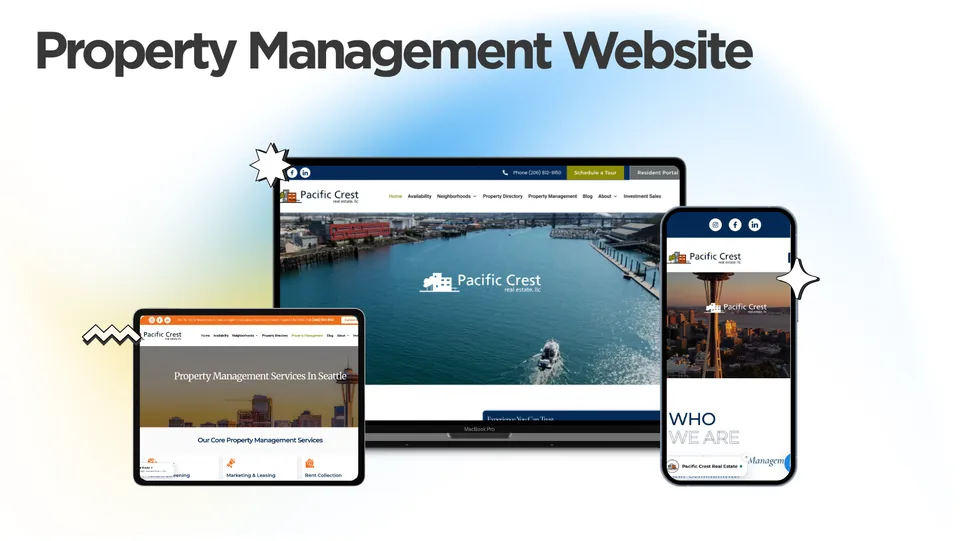
03 / 04Property management
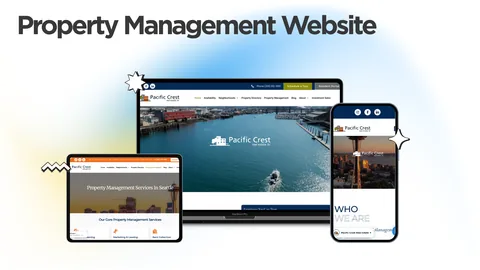
For Portland property managers we build websites whose owner and resident pages keep Oregon’s rent rules apart from the ones that apply only inside city limits. In Oregon, managing rentals for an owner in return for pay, including advertising them, is licensed real estate activity unless an exemption applies. The registered business name must stand out in every ad, and the home page must show it along with the licensee’s name.
For most tenancies, Oregon allows one rent increase in 12 months, none in the first year, and each with 90 days’ written notice. Each year, by September 30, the state’s Office of Economic Analysis publishes the cap on increases for the following year. The cap for 2026 is 9.5 percent. Units whose first certificate of occupancy was issued less than 15 years before the notice are exempt from the cap. Regulated affordable units are exempt only in narrow cases, such as an increase that leaves the tenant’s share of the rent unchanged.
Inside Portland, the city code adds relocation assistance, a payment from landlord to tenant. A landlord who ends a tenancy without cause must give at least 90 days’ notice and, with some exemptions, pay it. A tenant whose rent goes up by 10 percent or more within 12 months can ask for it, then has six months to either pay it back and stay or move out. Owner and resident pages for Portland units should say so, and pages for rentals outside the city should leave it out.
Oregon also lets tenants use a portable air conditioner. A landlord may restrict one only in writing, and only for reasons such as building codes, safety guidelines or the building’s power supply. Resident pages should state the cooling rules before summer.
Property management marketing →