


TL;DR
Agencies use a stack of digital marketing tools to manage campaigns. The usual set starts with SEO platforms like Ahrefs, Semrush or Ubersuggest, plus Google Analytics and Search Console. Google Ads and Meta Ads Manager run the ads. Call tracking, a CRM and reporting dashboards complete it. The tools matter less than how they are used. The point is to plan, run, track and report in one connected workflow. What you should care about is whether an agency turns tool data into decisions and clear reports.
Nearly every agency stack covers the same seven jobs, from measurement to the CRM. Google Analytics and Search Console are free, and they are the source of truth. The paid tools mostly save time. If you are hiring an agency, ask less about its tools and more about whether the accounts, the data and the reports stay yours.

SEO and Research Tools
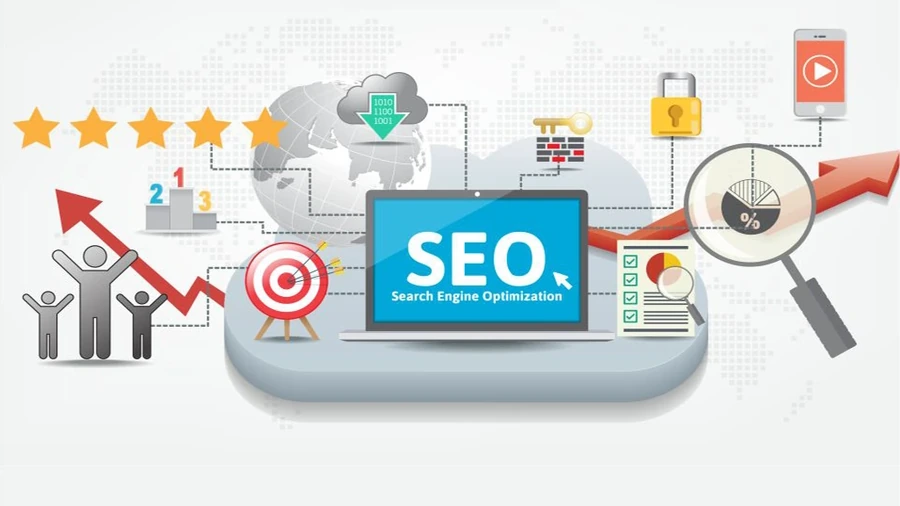
For SEO, agencies rely on platforms like Ahrefs, Semrush or Ubersuggest. They use them to research keywords, track rankings, study competitors and find content ideas. These tools show what your customers search for and which gaps you can win. The value is not the subscription. It is an agency that turns that data into a focused plan, not a spreadsheet nobody acts on.
Analytics and Tracking
Google Analytics and Google Search Console are the backbone of measurement. Call tracking and tag managers often join them. Together they show where traffic comes from, what it does on your site and which sources bring in leads. This tracking layer is what makes return on investment (ROI) measurable. Without it, every other tool reports activity, not results.

Ad Platforms
Campaigns run inside Google Ads and Meta Ads Manager. That is where agencies build, target and fine-tune paid campaigns. The platforms are free to use. The skill is in the structure, the targeting and steady tuning toward return on ad spend. A good agency manages these every day instead of setting and forgetting them. Small changes add up to big efficiency gains.
CRM and Reporting Dashboards
Finally, a CRM and reporting dashboards tie it all together. A CRM (customer relationship management system) records leads and connects them to revenue. Dashboards show it in one place. This is where raw tool data turns into a clear view of what is working. The mark of a good agency is not owning the fanciest tools. It is reporting that answers your questions about lead generation simply.
Related reading
- Which Digital Marketing Strategies Work Best for E-commerce Brands
- What Types of Digital Marketing Services Should You Invest In
The Digital Agency Tool Stack, by Job
Digital agencies do not buy tools by brand. They buy them by job. Nearly every stack covers the same seven jobs. The difference between a small agency and a large one is how many of those jobs run on paid products rather than free ones.
| Job | What it has to do | Commonly used for it |
|---|---|---|
| Measurement | Show what happened, per client, without arguing | Google Analytics, Google Search Console, Looker Studio |
| Search research | Keywords, competitors, backlinks, rank tracking | Semrush, Ahrefs, Ubersuggest |
| Ad management | Build, run and report on campaigns | Google Ads, Meta Ads Manager, Microsoft Advertising |
| Project and task tracking | Who is doing what, and by when | Asana, ClickUp, Trello, Notion |
| Client communication | One thread per client, not scattered email | Slack, Basecamp, shared channels |
| Content and publishing | Draft, review, schedule, publish | WordPress, Google Docs, a scheduling tool |
| CRM and pipeline | Leads, proposals, retainer status | HubSpot, Pipedrive, a spreadsheet that is honestly maintained |
Naming these tools is not a vote for one over another. The point is that the categories are stable. An agency missing a whole category is usually doing that job badly, not cleverly.
What a Small Agency Actually Needs, and What It Does Not
Most of the tool spend at a small agency goes on software bought for a problem it did not have yet. Here is a useful test. If you cannot name the person who opens a tool each week, you are not using it.
Needed from day one, and free. Google Analytics and Google Search Console for each client, plus each client’s own ad accounts. These are the source of truth for what happened. Nothing paid replaces them. Every paid tool is estimating what these measure directly.
Worth paying for once you have a handful of clients. One search research platform and one reporting layer. Both save hours per client per month. A tool needs no other reason.
Worth paying for once you have staff. Project tracking and a shared communication channel. Before that, they solve coordination problems you do not have.
Usually premature. Enterprise suites, dedicated attribution platforms and automation software bought before the process it should automate exists.
Almost always a false economy. Canceling the reporting layer. It is the thing that shows a client why they should stay. It also costs less than the lost clients it prevents.
How to Choose Between Two Tools That Do the Same Thing
Run both on one real client for a month. Not a demo account. The differences that matter show up on messy real data, not in a vendor’s sample workspace.
Check what happens to your data if you leave. Look at export formats and how long history is kept. Check whether client accounts are linked to your subscription or to theirs.
Count the seats you actually need. Per-seat pricing decides the real cost. Most agencies buy more seats than they have staff to fill.
Ask who fixes it when it breaks at month end. You cannot see support quality in a trial. You see it clearly on reporting day.
Prefer the one your team will open. A slightly worse tool that gets used beats a better one that does not.
What This Stack Costs to Run
Tooling is a real line item. It grows with client count, not with revenue. That is why it squeezes agencies hardest in their first two years. The free layer covers measurement completely. The paid layer starts with research and reporting.
Are you hiring an agency rather than running one? Then the question is not which tools it owns. It is whether you get the outputs. That means access to your own analytics and ad accounts and a report you can read. It also means you can take everything with you if you leave.
What to Ask an Agency About Its Tools
Are the accounts in my name?
Analytics, Search Console, Google Ads and Meta should all be owned by you, the client. The agency is granted access. It should never be the other way around.
Can I see the raw sources, not just the dashboard?
A dashboard is just a view of Search Console and Analytics. You should be able to open both yourself and see the same story.
What happens to reporting history if we part ways?
It should stay with your accounts. If the history lives inside the agency’s subscription, you lose your own baseline, the starting point you measure against.
Which numbers are measured and which are estimated?
Search volume and difficulty scores are estimates from third-party tools. Impressions, clicks and conversions are measured. A report that mixes the two without saying so is hiding something.
Free Marketing AuditWe read your Google Search Console and show which of your rankings are close to page one.FAQ: Agency Tools
What SEO tools do agencies use?
Commonly Ahrefs, Semrush or Ubersuggest, alongside Google Search Console. Agencies use them for keyword research, rank tracking and competitor analysis.
Do I need to buy these tools myself?
No. Your agency provides them. Focus on whether it turns the data into decisions, not on the tool list.
What's the most important marketing tool?
Tracking and analytics. Without measurement, no other tool can prove whether your marketing actually works.
How do tools help prove ROI?
Analytics, call tracking and a CRM connect each lead to its source and to revenue. That turns activity into a return you can measure.
What tools does a digital marketing agency actually need?
Measurement, search research, ad management, project tracking, client communication, publishing and a CRM. The measurement layer, Google Analytics and Search Console, is free. It is also the source of truth. The paid tools mostly save time rather than show you anything the free ones cannot.
What are the best tools for a small digital agency?
The free measurement stack, plus one search research platform and one reporting layer once you have several clients. Project tracking and a shared channel matter once you have staff, not before.
Should the agency or the client own the accounts?
The client, always, with the agency granted access. Analytics, Search Console and ad accounts held in an agency’s own login are a switching cost. You also lose your measurement history when the relationship ends.
How can I tell if an agency's report is meaningful?
Check whether the numbers are measured or estimated. Impressions, clicks and conversions come from Search Console, Analytics and the ad platforms. Search volume, difficulty and traffic estimates come from third-party tools. They are only estimates.
Why do businesses use digital marketing tools?
To see which marketing brings in customers and which does not. Research tools show what people search for, and ad platforms run the campaigns. Tracking tools such as analytics and call tracking show which sources produce leads. Without that tracking layer, every other tool reports activity, not results.
Which digital marketing tools are free?
Google Analytics and Google Search Console are free, and together they cover measurement completely. Google Ads and Meta Ads Manager are also free to use, though you pay for the ads you run. The paid layer starts with search research and reporting. Those paid tools mostly save time. They estimate what the free tools measure directly.
What digital marketing tools does a small business need?
Start with the free measurement layer, set up in your own name: Google Analytics, Google Search Console and your own ad accounts. They are the source of truth, and every paid tool estimates what they measure. If an agency runs your marketing, it provides the research and reporting tools. You do not need to buy them yourself.
Can one all-in-one tool replace the whole stack?
Not fully. Whatever a suite bundles, nothing paid replaces Google Analytics, Search Console or your own ad accounts. They measure directly what paid tools only estimate. For a small agency, an enterprise suite is usually premature. A slightly worse tool that your team opens every week beats a bigger one that nobody uses.