


SEO for personal injury lawyers works best local first. Claim and complete your Google Business Profile. Build service pages and city pages for the searches that lead to calls. Ask for reviews, and keep asking. Those three moves bring in more qualified calls than any pile of broad blog posts. According to Clio, the base is local SEO, focused service pages and structured data. That is what puts a PI firm in the local pack instead of on page two.
Personal injury SEO is local first. Complete your Google Business Profile, build high-intent service and city pages, and keep new reviews coming. Paid ads stop the day you stop paying. SEO takes longer, but the results compound. Your three priority actions this week:
- Claim and fully complete your Google Business Profile: categories, services, photos and appointment URL.
- Publish or improve one core service page and one city page for the case type worth most to you.
- Install Google Search Console and set up call tracking, so you can measure from day one.
On-site gains often show up within a few months. Steady rankings for crowded, high-intent terms like “car accident lawyer [city]” often take several months to a year. SEO is not a quick fix. But it compounds in a way that paid ads never do.
Why does local SEO move the needle for personal injury practices?
Most people searching for a personal injury lawyer need help now. They were just hurt in an accident. That urgency makes the search intent worth a great deal to PI firms.
The U.S. legal services market is one of the most crowded fields in online ads. That makes a spot in the unpaid results worth a premium. A firm that ranks in the local pack for “car accident lawyer near me” gets that high-intent traffic without paying per click. And PI has the costliest clicks of any field in Google Ads.
Local searches convert far better than broad terms. Someone typing “personal injury attorney Chicago” is much closer to calling than someone typing “personal injury law”. City and neighborhood searches also face less competition than national terms. So a well-tuned local presence can beat a much larger firm’s broad national rankings.
Statistic callout: BrightLocal’s local consumer review survey found that the vast majority of people read online reviews before they contact a local business. For PI firms, a strong Google review profile shapes both where you land in the local pack and whether people call.
The maps pack is the set of three local results Google shows above the normal listings. It often draws more clicks than the results below it. A local pack spot tends to beat a lower organic ranking for the same term. That is why GBP work and getting reviews are not optional extras. For most PI firms, and above all solo and small practices, they are the work with the highest return.
National Law Review’s legal marketing data backs this up. Unpaid search keeps ranking among the top channels for law firm leads. Referrals and search often trade the top spot, depending on practice area. For PI, search comes out on top, because clients rarely have a lawyer they already know.
How do personal injury clients actually search, and what pages should you build?
Intent mapping is where most PI firms leave money on the table. They build one catch-all “personal injury lawyer” page and wonder why it does not rank. In reality, clients search at very different stages. Each stage needs its own kind of page.
Short-tail vs. long-tail keyword roles:
- Direct-intent service pages target searches like “car accident lawyer Houston” or “slip and fall attorney near me.” These pages should be phone first: a click-to-call button that stands out, a clear reason to choose you, and proof above the fold.
- Research-intent blog and FAQ content targets questions. Think “what to do after a car accident in Texas” or “how long does a personal injury claim take”. These pages build trust. They catch people earlier, before they choose a firm.
- City and neighborhood pages target searches with a place name, one for each market the firm serves. A firm in Dallas should have separate pages for Dallas, Plano, Irving and Garland if it takes cases there.
High-value keyword templates to build pages around:
- [Injury type] lawyer [city] (e.g., “motorcycle accident lawyer Atlanta”)
- [Injury type] attorney near me
- How much is my [injury type] case worth
- [City] personal injury attorney free consultation
- What to do after [accident type] in [state]
For keyword research, Semrush and Ahrefs both show search volume, keyword difficulty and rival rankings side by side. Start with Semrush’s Keyword Magic Tool. Type in your core case type and filter by city. You will find dozens of long-tail terms your rivals have not touched. Google Search Console then shows which searches your pages already rank for. That is often the fastest source of quick wins.
If you run Google Ads, use that data before you start organic keyword research. Your best-converting search terms are already proven. Clio’s family law SEO guide makes the same point: how your paid search performs is one of the most reliable signals for choosing SEO targets. Build service pages around those terms first.
For a step-by-step way to pick the right terms, Kihan Marketing’s guide on how to choose keywords walks through intent mapping in plain language.
What on-page and technical fixes should you prioritize first?
Most PI firm sites share the same handful of technical problems. Fix these before you spend heavily on content or links. A slow or badly built site will underperform no matter how good the content is.
Technical priority checklist (in order):
- Mobile-first speed: A large share of legal searches happen on phones. Run your site through Google’s PageSpeed Insights. Aim for fast load times so the site feels good on a phone.
- HTTPS: Each page must be served over HTTPS. No exceptions.
- Crawlability: Submit an XML sitemap to Google Search Console. Check for crawl errors and fix broken internal links.
- Canonical tags: If you have duplicate pages (www vs. non-www, or city pages with near-identical text), set canonical tags so the ranking signals are not split.
- Core Web Vitals: Google uses these as a ranking signal. Cumulative Layout Shift (CLS) and Interaction to Next Paint (INP) are the two that law firm sites fail most often.
On-page priorities:
- Title tags: include the main keyword and the city. Keep them under 60 characters. Write them to earn the click, not just the ranking.
- H1: one per page, matching the main keyword’s intent.
- Meta descriptions: 150 to 160 characters, with a call to action (“Free consultation. Call today.”).
- Image alt text: describe the image, and add a keyword where it fits.
- Descriptive URLs:
/car-accident-lawyer-houston/beats/page-id-47/.
Schema markup is where most PI firms have an untapped edge. Google’s structured data documentation explains how schema helps search engines understand your content and qualify it for rich results. For PI firms, add at least:
LegalServiceorAttorneyschema on each service page (name, address, phone, geo coordinates, service area).LocalBusinessschema on your homepage and contact page.FAQPageschema on any page with a Q&A section.RevieworAggregateRatingschema where you display client testimonials.
The ABA’s 2023 websites and marketing tech report names mobile-friendly design and site security as the two most common gaps in law firm sites. Both are table stakes, not a way to stand out.
Pro tip: On a WordPress site, a good caching plugin (WP Rocket or W3 Total Cache) plus a CDN (Cloudflare’s free tier) fixes most speed problems on law firm sites. Avoid page builders that load a lot of JavaScript. They are the single most common cause of slow LCP scores on PI firm sites.
What content actually drives cases, and how do you structure it?
Content structure is what divides a PI site that brings in calls from one that brings in traffic and no revenue. The goal is not to publish often. It is to publish the right pages in the right structure.
Service page formula
Each core service page should follow this order: problem → result → proof → CTA.
Open with the client’s situation: “You were injured in a car accident through no fault of your own.” Move straight to the outcome your firm delivers: “Our Houston car accident attorneys have recovered millions for clients like you.” Then add proof: verdicts, settlements, reviews. Close with a phone-first call to action above the fold, and repeat it at the bottom.
Keep each page to one case type and one city. Take a page that tries to rank for “car accident, truck accident, motorcycle accident, and slip and fall in Houston, Dallas, and Austin”. It will rank for none of them.
City page formula
City pages work when they are truly local, not a template with the city name swapped in. Include local courthouse details and the relevant state law (Texas’s statute of limitations for personal injury, for example). Add local accident figures if they are public, and a map embed. Google can spot a thin, templated city page and will not rank it.
Editorial calendar priorities
Start with these pieces before anything else:
- One high-intent service page for your most valuable case type.
- One city page for your main market.
- Two FAQ pages for research searches. Good examples: “How long do I have to file a personal injury claim in [state]?” and “What is my car accident case worth?”
Once those are live and indexed, build out case-type clusters. Make a hub page for “car accident lawyer [city]”, with supporting pages for narrower cases: rear-end collisions, hit and run, uninsured motorist claims.
Pro tip: Injured clients are often stressed and shaken. Write your calls to action and intake copy with that in mind. “Get the help you deserve. Call us now” beats “Submit your information.” Phone-first design with a sticky click-to-call button on mobile is not optional for PI firms. It is where most conversions happen.
That conversion-focused structure is what Kihan Marketing builds into its content marketing work for clients, not just traffic volume.
What link building actually works for personal injury firms?
Links are still one of the strongest ranking signals in crowded legal markets. The problem is that PI is a high-value niche, so it draws a lot of low-quality link schemes. Avoid them entirely.
High-value link opportunities for PI firms:
- Local news coverage: Reach out to local TV stations and newspapers when you handle a case with public interest. One link from a local news domain carries more weight than dozens of listing links.
- Legal directories: Avvo, Justia, FindLaw and the state bar directory are basic citations each PI firm should have. They are not high-authority links, but Google expects to see them.
- Community sponsorships: Sponsor a local 5K, a school event or a charity. You get a link from a .org domain and a local institution. These links are natural, editorial and often permanent.
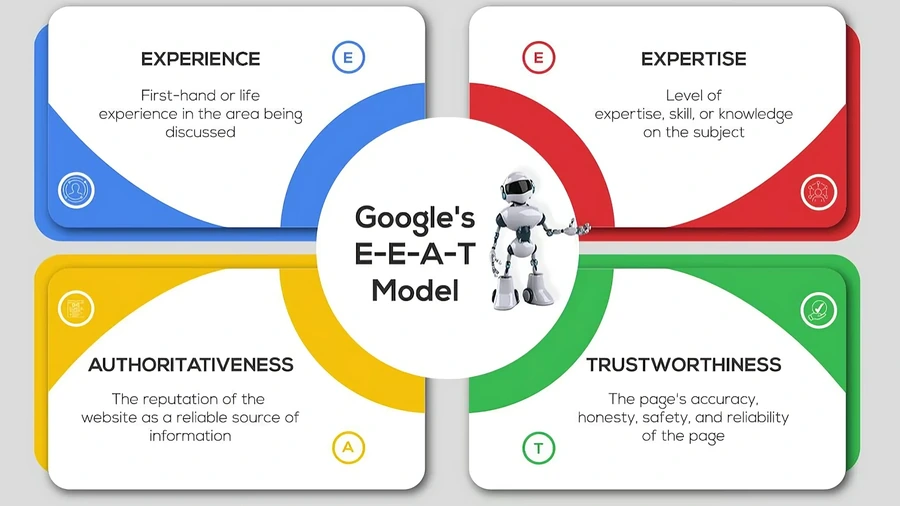
- Authored legal explainers: Write a bylined article for a local business journal or a regional news site that explains a legal topic. These earn editorial links and build E-E-A-T signals at the same time.
- Bar association and professional memberships: State and local bar profiles almost always include a website link.
NAP consistency is the citation-layer twin of on-page work. NAP is your firm’s name, address and phone number. They must match on each directory, social profile and citation. Even small differences (“Suite 100” vs. “Ste. 100”) can weaken local ranking signals. BrightLocal’s citation audit tool finds the mismatches and ranks which ones to fix first.
What to avoid:
- Paid link networks and private blog networks (PBNs). Google enforces its spam policies hard in legal, and a manual penalty can take months to recover from.
- Thin directory farms that exist only to sell links.
- Link exchanges with unrelated businesses.
- Any vendor promising a set number of links per month without talking about quality or relevance.
To find link prospects, export your top rivals’ backlink profiles from Ahrefs or Semrush. Filter for referring domains with a Domain Rating above 40 and look for patterns: local news sites, legal associations, community groups. Those are your outreach targets.
How do you build a review workflow that converts searchers into clients?
Reviews do two things for a PI firm. They lift local pack rankings, and they turn wary searchers into callers. A profile with far more positive reviews will most often beat one with fewer, even if the second firm has the better site.
Review generation workflow:
- Ask at the right moment. The best time is right after a good exchange with a client. Most often that is when the case resolves, or after a successful settlement call.
- Use a direct link. Text or email clients a shortened Google review link. Friction kills follow-through.
- Follow up once. A single reminder 3 to 5 days after the first request is appropriate, and it works.
- Display reviews where people see them. Embed Google reviews on your homepage and service pages with a widget or schema markup.
Responding to negative reviews needs care. Acknowledge the concern without admitting fault or discussing case details. Keep the reply to two sentences and invite the person to call your office. Never argue in public. If the review seems to break Google’s policies (fake, spam or a conflict of interest), flag it for removal through the GBP dashboard.
Ethics note: Bar rules in most states forbid lawyers from making false or misleading statements in marketing. Do not post scripted reviews, or reviews you offered a reward for. Do not reply to a negative review with anything that could reveal confidential client details. When in doubt, take the conversation offline right away.
Metrics to track:
- Total review count on Google (updated monthly).
- Average star rating (flag any drop below 4.2 at once).
- Review velocity: how many new reviews per month.
- Sentiment trends: are clients naming lawyers, response times or outcomes?
Pro tip: Build review requests into your intake and case-close workflows, not as a manual afterthought. A CRM like Clio Manage or Lawmatics can send a review request text on its own when a case moves to “closed” status. That one step alone noticeably lifts review volume over time.
SEO vs. PPC vs. Local Service Ads: how should you split your budget?
These three channels are not rivals. They are a sequence. The question is not which one to use, but when to use each and in what share.
How each channel works for PI firms:
- Local Service Ads (LSAs): Google’s pay-per-lead product for lawyers. You pay only when someone calls or messages through the ad. LSAs sit above everything else in the results, paid ads and organic included. For a new firm, or one entering a new market, LSAs are the fastest path to qualified calls. The downside is cost. PI LSA leads can be pricey in crowded markets.
- Google Ads (PPC): Pay-per-click campaigns get you seen at once for high-intent keywords. PI is one of the costliest PPC fields in the U.S. The upside is speed and control. The downside is that the leads stop the moment you stop paying.
- SEO: Slower to build, but it compounds. A page that ranks #1 for “car accident lawyer Dallas” brings leads each month with no added cost per click. The Backlinko CTR data shows how steep the drop is. The #1 organic result earns a far higher click-through rate than positions 2 to 10, so ranking first pays far more than ranking fifth.
Suggested budget splits by firm size:
- Solo attorney, new market: 60% LSA/PPC, 40% SEO. You need leads now while SEO builds.
- Small firm (2 to 5 attorneys), established market: 40% LSA/PPC, 60% SEO. Organic is starting to produce, so shift spend toward the returns that compound.
- Regional firm (5+ attorneys): 25% LSA/PPC, 75% SEO. At this scale, search rankings are a lasting moat.
Use your PPC and LSA data to decide what SEO does first. The keywords that convert best in paid search are the ones to build service pages around first. It is one of the most overlooked moves in PI SEO.
For a deeper look at how these channels compare, Kihan Marketing’s breakdown of SEO vs. PPC for small businesses covers the tradeoffs in detail.
What does personal injury SEO actually cost, and when do results appear?
Budgets vary widely. What moves them is how crowded your market is, the size of your firm, and the state of your site today. Here is a realistic framework.
| Firm type | Market | Time to first meaningful results | Primary deliverables |
|---|---|---|---|
| Solo attorney | Small/mid market | 90 days | GBP optimization, 2 to 4 pages/month, citation cleanup |
| Small firm (2 to 5 attorneys) | Mid-size metro | 90 days | On-page, content cluster, link outreach, monthly reporting |
| Regional firm | Large metro (competitive) | 6 to 12 months | Full technical audit, content at scale, editorial links, reputation management |
Timeline milestones:
- Months 3 to 9: Backlink outreach starts to pay off. Review volume grows. Rankings for long-tail and mid-competition terms improve.
Quick wins come from technical fixes and GBP work. The slow work is ranking for crowded head terms and earning editorial links. Firms that try to shortcut the timeline by buying links or publishing thin content almost always set themselves back.
How do you evaluate and choose an SEO provider for your firm?
The PI SEO agency market has a wide quality gap. Some providers deliver real results. Many sell rankings for easy terms that bring no cases. Here is how to tell them apart.
Questions to ask each candidate:
- Can you show me PI firms you have ranked in markets like mine, with before-and-after search traffic and lead data?
- What is your link-building method? Can you describe one specific link you earned for a law firm client in the last 90 days?
- How do you handle Google algorithm updates? What happened to your clients’ rankings during the most recent core update?
- What does your monthly reporting include, and which KPIs do you track?
- What does the agreement cover, and how does either side end it?
Red flags:
- Guaranteed rankings. No one can guarantee a set position on Google.
- Vague scope (“we will improve your SEO”). Each piece of work should be named, and you should be able to measure it.
- Promises of rankings in month one for crowded terms.
- No case studies or references from law firm clients.
- Reporting that shows only rankings, not traffic, leads or conversions.
Sample monthly reporting matrix:
| KPI | What it measures | Minimum reporting frequency |
|---|---|---|
| Organic sessions | Total visits from search | Monthly |
| Local pack impressions | GBP visibility | Monthly |
| Organic calls (tracked) | Calls attributed to organic search | Monthly |
| Qualified leads | Calls/forms that meet intake criteria | Monthly |
| Priority keyword rankings | Top 10 target terms | Monthly |
| Referring domains added | New backlinks earned | Monthly |
What an agency brings: a team, tools, and patterns seen across clients.
Kihan Marketing’s SEO audit methodology shows what a thorough audit looks like before any work begins.
What analytics setup does every PI firm need?
Tracking is where most PI firms fly blind. Rankings are vanity. Calls and qualified leads are the metrics that matter.
Must-have tools and setup:
- BrightLocal: tracks local pack rankings apart from the normal rankings, watches review volume and rating across platforms, and audits citations.
KPI table for PI SEO performance:
| KPI | Target benchmark | Tool |
|---|---|---|
| Organic sessions (monthly) | Growing month over month | GA4 |
| Local pack ranking (top 3 terms) | Position 1 to 3 | BrightLocal |
| Organic calls (monthly) | Tracked and attributed | CallRail / GA4 |
| Qualified leads from organic | Defined by intake criteria | CRM + call recordings |
| Conversion rate (organic visitors to leads) | Varies by market; track trend | GA4 |
| Average position (GSC) | Improving quarter over quarter | Google Search Console |
Reporting cadence: Each month, review each KPI above, with a short note on what changed and why. Each quarter, compare your rankings against rivals and plan the next 90 days of content and links.
Call recordings are a rarely used way to sharpen SEO strategy. Say your intake team reports that most callers from search ask about a case type with no page. That is a content gap worth closing right away.
Privacy note: GA4 and call tracking collect cookie-based data. Before you deploy tracking scripts, confirm that your privacy policy and cookie consent setup meet the state privacy laws that apply to you. California’s CPRA is one example.
How Kihan Marketing approaches personal injury SEO
Kihan Marketing’s method for PI firms runs in five phases: audit, technical fixes, content and GBP build-out, outreach and reviews, and tracking.
The audit finds the biggest gaps first: a missing or incomplete GBP, thin service pages, crawl errors, and missing schema. Technical fixes come before content spend. Publishing new pages on a slow, badly built site wastes the content budget.
Content and GBP work run side by side. Service pages and city pages follow the formula above. Meanwhile the GBP is completed and a review workflow is switched on. Outreach begins in month two or three. It targets local news, legal directories and community links, not volume-based link schemes.
Tracking is built in from day one. Each project starts with call tracking and GA4 setup, so organic calls, qualified leads and priority keyword rankings are followed from the start. Kihan Marketing measures success by revenue impact, not rankings alone.
Pro tip: The firms that see results fastest treat SEO as a business process, not a vendor relationship. They follow through on review requests, approve content within 48 hours, and share intake data so the agency can refine which keywords come first. The agency does the work. The firm provides the signal.
Key Takeaways
Personal injury SEO works best local first. GBP work, high-intent service pages and steady reviews move the needle faster than broad content plays for most PI firms.
| Point | Details |
|---|---|
| Local pack over head terms | GBP optimization and reviews drive higher-converting leads than ranking for generic national terms. |
| Timeline expectations | Expect technical and GBP gains in 90 days; competitive head-term rankings take 6 to 12 months. |
| Schema and structured data | Implementing LegalService and FAQPage schema increases eligibility for rich results and improves CTR. |
| Kihan Marketing’s approach | Kihan Marketing builds PI SEO campaigns around revenue impact, tracking organic calls and qualified leads from month one. |
What most PI firms get wrong about SEO
The usual advice says “publish more content.” Each agency pitch deck leads with a content calendar. But for most small and mid-size PI firms, content volume is not the limit. The limit is how well the site turns visits into calls.
A firm can publish 50 blog posts of car accident tips and get almost no cases from them. A rival with five well-built service pages and a strong GBP can get 20 calls a month. The difference is not how much they publish. It is whether the pages match intent. Blog posts reach people who are researching. Service pages and the GBP reach people who are ready to call.
The second mistake is treating SEO and PPC as either/or. The firms that grow fastest use PPC and LSAs for case flow now, while SEO builds in the background. They also use PPC conversion data to decide which organic pages come first. That feedback loop is one of the most practical edges open to any PI firm with even a modest paid budget.
The third mistake is hiring an agency on ranking reports instead of lead reports. Rankings are an input. Calls and qualified intakes are the output. An agency that cannot draw a clear line from its work to your phone ringing is not measuring the right thing.
Kihan Marketing can build your firm’s SEO foundation
Is your firm missing from the local pack for your main case types? Is your site getting traffic but not calls? The gap is almost always in one of three places: GBP work, how service pages turn visits into calls, or citation and review signals.
Kihan Marketing offers a free marketing audit. A person runs it by hand for your firm, not from a stock checklist. We check your Google Business Profile and give you a technical read of your site. You also get the searches your site already shows up for, each with its real position in Google. Then we show three competitors and the terms they rank for that you do not.
Kihan Marketing measures success by getting clients from Google without paying for ads over the long term, not by vague promises.
To get yours and a clear picture of where your firm stands, ask for a free marketing audit. Our guide to building a digital marketing strategy shows how the findings turn into a plan.
Useful tools and sources for implementing PI SEO
- A Guide to SEO for Personal Injury Lawyers | Clio
- Effective SEO Strategies for Family Law Firms | 2024 Guide | Clio
- Statista: U.S. legal services market statistics
- Google Developers: Introduction to structured data
- BrightLocal: Local consumer review survey
- Backlinko: Google click-through rate statistics
- National Law Review: Legal marketing stats lawyers need to know
- ABA: Websites and marketing tech report 2023
This article gives general marketing and SEO guidance. It is not legal advice. Check that any marketing practice follows your state bar’s advertising rules, and ask a qualified professional about the rules in your state.
Recommended
- Chiropractor Marketing: Rank for Pain Relief Keywords
- Physical Therapy Marketing: Beat the Big Networks
- Aesthetic Practice SEO: Outrank the Big Chains
- Local SEO for Dental Practices: Attract New Patients
Frequently asked questions
What is personal injury SEO?
It is a local-first search program for law firms. It rests on three things: a complete Google Business Profile, high-intent service and city pages, and a steady review workflow. Local SEO with focused service pages and structured data is what divides firms in the local pack from those buried on page two.
How long does personal injury SEO take to work?
On-site gains often show up within a few months. Rankings for crowded, high-intent terms like car accident lawyer in your city often take several months to a year. That is because US legal services is one of the most crowded fields in online ads. SEO is not a quick fix, but it compounds in a way paid ads never do.
What should a personal injury firm do first?
Three things. Claim and fully complete your Google Business Profile: categories, services, photos and appointment URL. Publish or improve one core service page and one city page for the case type worth most to you. Then install Google Search Console and set up call tracking, so you measure from day one instead of guessing later.
Why does local SEO matter so much for personal injury?
Because most people searching for a personal injury lawyer need help now, right after an accident. That makes the intent very valuable. Someone in that moment calls one of the first firms they see. In such a crowded field, a local pack spot captures calls that would otherwise cost a great deal in paid clicks.
How should a firm split budget between SEO, PPC, and Local Service Ads?
They do different jobs. The split depends on how fast you need calls and how much you want to own long term. Paid channels buy visibility now and stop when you stop paying. SEO takes months but keeps producing. Firms that can wait lean toward SEO and local presence. Firms needing cases now start with paid and build SEO underneath.
How do you choose an SEO provider for a law firm?
Ask what they will measure and how soon. A provider should set up Search Console and call tracking from day one. They should commit to service and city pages for your most valuable case types, and report on qualified calls rather than rankings alone. Vague promises about traffic with no measurement plan are the clearest sign to keep looking.
What are the main ranking factors for personal injury lawyer SEO?
Four carry real weight. A complete Google Business Profile with steady reviews drives the local pack. Links from local news, legal directories and community groups are among the strongest ranking signals. Matching name, address and phone details on every listing keeps those signals strong. And Google uses Core Web Vitals as a ranking signal.
What does a personal injury SEO audit cover?
It finds the biggest gaps first: a missing or incomplete GBP, thin service pages, crawl errors and missing schema. Kihan Marketing’s audit adds a keyword gap analysis, which shows the high-intent terms your rivals capture and you do not. It is built for your firm and market. See the marketing audit page for what it covers.
What do personal injury SEO services usually include?
It scales with firm size and market. A solo firm gets GBP work, 2 to 4 pages a month and citation cleanup. A small firm in a mid-size metro adds on-page work, a content cluster and link outreach. A regional firm in a large metro adds a full technical audit, content at scale, editorial links and reputation management.